Apple Podcasts
 Spotify
 The Crash That Rewrote Everything | Jagger Waters
After a devastating car accident changed everything, Jagger Waters shares how trauma, healing and learning to let go helped rebuild a life she never expected.
Jagger Waters is a writer, storyteller and creative strategist whose life changed in an instant after a catastrophic car accident left them battling PTSD, cognitive impairment and the challenge of rebuilding both a career and a sense of self.
In this episode of Life by Misadventure, Jagger shares how months of insomnia, isolation and losing confidence in their own mind forced them to rethink everything they believed about success, relationships, work and healing, before finding a new path through community, creativity and learning to embrace change instead of resisting it.
This is a conversation about accepting life's interruptions, discovering that recovery cannot be rushed, and realising that sometimes the greatest growth comes not from becoming stronger, but from allowing yourself to become softer.
00:00 - Untitled
00:04 - A Life-Changing Incident
05:28 - Navigating the Path of Recovery
11:48 - Reflections on Isolation and Community During COVID
13:33 - Navigating Post-Covid Realities
23:32 - The Aftermath of the Accident
26:39 - The Aftermath of Emotional Turmoil
31:11 - The Journey of Healing and Change
42:24 - Reclaiming My Mind and Body
44:54 - The Concept of Softness: A New Perspective
48:51 - The Journey of Acceptance and Healing
54:45 - Exploring the Influence of Time on Healing
01:01:05 - The Creator Economy and Personal Growth
David Brown
Jagger, what's your misadventure?
Jagger Waters
Well, one of them is In December of 2024, I was in a car accident. My car flipped and landed upright. Miraculously, nobody else was involved. Nobody was injured. I was not physically injured, but I did have ptsd.They're, you know, my. The. The.The care team that I work with, essentially the hope that they fed me along the way was that even though it wasn't getting better, I had, you know, four or five months where, like, it. I just. Severe insomnia. I became claustrophobic. You know, I've never been a claustrophobic phobic person. I. I've never been afraid of small spaces.I was not trapped in my car. Um, but I did have to stay inside of it until an ambulance came. Um, and just that, like, everything up here, every.Everything in my brain, fears and, like, tasks and, like, executive function and emotions, like, it's like there were no barriers between them anymore. So my care team kind of described that as, like, you know, all the partitions that we.The way that we have to compartmentalize our life, when you can. When you have severe trauma or something like this happen, it can, like, remove all the. All the barriers between those things.So a really strong emotion would bleed into everything else. And, like, it was like it turned into soup. And I kind of feel like I had, like, a soup brain, and I couldn't. I couldn't learn new information.And that was probably the most challenging part, is that I was. I was in this role where I needed to be learning every day, you know, and adopting a new tool. And technology was still very new to me.You know, like, I'm more of a humanities person. I'm a. I'm a writer and a thinker. And I, you know, had to, you know, my relationship with.With my computer, my relationship with technology needed to be progressing very quickly, and I couldn't even go from one chapter to another. And that was, you know, so. So the. The question.I think the spiral that I ended up in, in that time and, like, when I would cry or be upset with myself, it's like, not only do I feel like I'm at a disadvantage, but I know I'm not able to do the thing that would best. That best serves my own interests for the future, right?Like, the professional goals that I had were interrupted by something that I couldn't control. And that's the universal part I think of, like, you know, the inconvenience of something.Something happens that throws a wrench in your plans for life. Um, and I had to sit with that, and I fought it. You know, I'm a very. I can be stubborn, and I'm very resistant to certain kinds of change. And I just.I could not. For months. I could not see, like, what is the good that comes out of this. Right. Like, I only see loss, I only see failure. I only see myself slipping.You know, the people in my life that were close to me were worried about me, and, like, I didn't know how to reassure them. I didn't know how to reassure myself.And insomnia was the hardest part because, you know, if you're not sleeping, anything that is already challenging in your life is going to get more and more difficult for every hour that you don't sleep.
David Brown
It makes everything more difficult. Yeah.
Jagger Waters
And I. There was a stretch where you were like eight or nine days where I didn't sleep in a row. And it can take you months to recover from.Like, you don't, you know this. The research behind that is, like, you don't really. You can't make up for that kind of deficit quickly.So for much of that period, I really struggled to be alone.Even just the, you know, the tolerance of waiting where it's like, I just need to sit here, I'm in a waiting room, or I have five minutes between this thing and this meeting. And I had, like, almost no tolerance for just, you know, the meditative silence that's actually very comfortable when.When you're, you know, when you're doing well. It's actually very nice to be. To sort of be in the. In the vacant space of. Of an in between. But that was like, really, I struggled with that.I couldn't be alone in rooms. I moved out of LA into a somewhere that was more towards nature for a little while.And I had an experience about an hour outside the city where there were chickens and a river and moonlight and the sound of crickets and frogs.And I created a routine, a night routine that I taught myself how to sleep again, like, literally, like, go, like, going down to the root of, like, remembering and like, even, like, you know, they talk about your. Your child self or holding your infant self or whatever. And it's like I did all that.I did the whole, like, you know, literally, you know, one foot in front of the other, showing myself. Like, these are the steps to going to bed. And like, this is.Here's how I can, like, take a really long Epsom salt bath and then, like, drink sleepy time tea and listen to this music and, like, try to bring my Nervous system down from like a really, really high strung place.So that took a while and I had to accept, I think the challenge, the thing that I'm like here to talk about is like I had to accept that like that was the path. And I'm.Even though I wanted the path to be massive career growth and like just crushing it professionally, that was just not the path for that period of time. Right? Like that eight, nine months, that was not my path. And I felt like there was this obstacle and I'm, I'm, I'm more willing now to see that.Like when there's an obstacle in the path, it's like that it, that becomes the path. And the mindset that I'm trying to embrace is that, that, that, that the only way is through.And when there's an inconvenience that presents itself, that doesn't mean get around it. It doesn't mean that's not the side quest anymore. That's the main, it's the main story.
David Brown
Yeah, it's still the path part that.
Jagger Waters
Pisses me off that I think I'm angry about for everybody is that like we don't live in a society that allows you to do that. Right? Like it's the, the pressure to make rent.Like you, you have to like, unless you're a person of privilege, like you can't take eight, nine months off of work to cry and regulate your nervous system become well again and even. And you know, that's even more challenging when you're, when there's a physical illness and there's medical bills.Like, you know, I had some, but they were manageable. And I just think of, and during that time I got even angry about that. I was, I was like, we have no respect for a human grief process.Whether that's about losing something in your own life, losing other people, not having the body that you thought you would, not having access to the mind that you grew to trust in yourself. We have no safety net for that. On a broader scale, we do have it on a personal level, right.The way that my family was there for me, the way that my friends showed up for me, so I had that safe, like that small safety net. But we don't have the big one, right? And we don't have this big.And it is ontologically evil to require us all to perpetually make money off of our own existence.Because there's periods in your life that are so inconvenient, that are so traumatizing, that are so painful, that no, you can't Focus on, like, how do I scale this? Right? And it's like, yeah, it's an insult to the human experience that we can't give people this kind of time and grace.And that anger rippled through that experience.And it's something that I still feel very passionately about where it's like, and I know I can see the pipeline, you know, I accept the, the path of life that will lead me towards, like, you know, my parents becoming sick or ill, my dog will die someday. Right? And it's like, where's I, I have to create the care plan around how I'm gonna deal with that. I, Nobody else is gonna do it. So what.How can I prepare for that in advance without trying to like, pre grieve it? Because you can't, you know, you can't demand that you accept something before it's happening. Right.But the mindset, I think the mindset of knowing it's your, your priorities completely change with trauma. Right? Or, or with a painful life experience.A spouse getting sick, you getting sick, a dog dying, family member, any triggering trauma, all of a sudden it's like, wow, nothing else fucking matters. Like this job.And like, the fake urgency at most, in most work environments, dude, you can't, you can't, you can't convince me anymore that, that being, you know, I was, I was nine minutes late for our recording and it's like, yeah, it's fine. It's not. I, I, I used to be, so.
David Brown
It's not the end of the world.
Jagger Waters
I used to be five minutes late or five minutes early to everything. I was so hard on myself and like, yeah, I was maybe. Was I a more. I don't know, whatever. But like, I judged sometimes. I judged that. Yeah.
David Brown
So you said it was December 2024 that you had the accident.
Jagger Waters
Yeah.
David Brown
So what was your life like in November before you had the accident? On like a daily, weekly basis? Like, what was your life like? What were you doing? How were you, you know, what was all that?And then what led up to having the accident and what happened in the accident?
Jagger Waters
Sure. Well, that was a rough, rough time. I would say August through November of 2024 was really challenging, but the environmental.
David Brown
Personally or professionally or both or personally?
Jagger Waters
Personally. Professionally. They were picking up.You know, I had gotten a job offer that I was really happy about, and I wanted to be leaning into that with my whole, with everything. But there was a really. Yeah, my personal life was, was kind of a mess. And that's fine, right? Because a lot of times our personal lives can Be messes.But the thing that was different, the thing that made that time unnecessarily painful and challenging is that I had really isolated myself. My family and my friends didn't really know what was going on. I had, I was keeping it all inside and I was working completely remotely. I lived alone.So there was a level of isolation that I pledged that I would never go back to. Like, you know, in the, in the future part of this conversation of like, I was like, I never want to live alone again.And I'm never going to get that isolated. I'm going to make sure that I at least work in some kind of hybrid environment. I'm going to create a community for myself.And the irony was is that like that, that community aspect, I think it was available to me at that time. So leading up to the accident, I could have been more social.I could have been leaning into these new amazing friendships in this space that were emerging for me. And I kind of didn't. I kind of was sulking in my little cave. And that was a choice. And that's.I think that there's misadventures that are, you know, that it's, it's. It. It's an act of God. You didn't create it at all.And then there's some that I think are kind of self created and this one I have to take a little responsibility for. And it's like this, this was. There was a self created isolation to that time.
David Brown
Was that a hangover from COVID Like, were you always like that or was that something that. Because I know a lot of us, you know, were.The world was different before COVID It just, it was a different place and people interacted and they, you know, we work together and it was totally different. And then Covid happened and everybody started working remotely.And that worked for a while because we already knew the people that we were working remotely with. But then as everybody kept working remotely, we didn't have those personal relationships anymore. And I think that's where the trouble started.So with you, was it. Were you always like, did like, did you always work remotely or was that something new?
Jagger Waters
That's a great point.And I have to say that I'm actually someone that really thrived during COVID The happiest years that I can look back on where I was like, that was really Wonderful. Was like 2021 and 2022. In spite of the fact that there were difficult, there were challenging family things that were happening.Covid was scary, but there was a lot of peace. That I found in that time.And actually that withdrawing, you know, not being able to go out all the time made me reflect on the fact that it's like, oh, I'm a much more introverted and quiet person than I previously thought. So during COVID I actually learned that I am kind of introspective and I like a slower pace of living. So those were, like, the biggest.That was the benefit of the COVID time for me.But I think the Post Covid, like, 20, 23, 20, 24 years were kind of confusing to me because it felt like we were continuing on without having acknowledged the thing. Right. Like, the hangover for that time period, it wasn't like, oh, I didn't see people. Oh, I'm having trouble readjusting into the world.Like, it wasn't that for me. It was like, how could you all, like, how could we just, like, go back to normal? How have we not revised our collective value?Like, why isn't there a new social decree of respect and leading with love? So I found that immediate post Covid world to be kind of like. It felt like.And this is something that's happened in my life after traumas or after big realizations, or if you work with plant medicine of any kind, where, like, you go back into the world and everything just looks like it's made of cardboard. And you're like, I could just tip this over. Like, it's so fake. And I. I started. I think I. I was on the negative side of that realization.So during this time, yeah, there was. Sure, there. There was remote work and there was some. Some isolation. But I think that for me, the isolation was un. Resolved anxiety about the world.It was a period in my time where I put an overemphasis on kind of like, personal relationships and even this, like, I'm just really, really hard on myself. And I was really, really hard on myself at that time without any resources to accept what was happening, integrate it, and, like, carry on. So in the.The months leading up to this accident, there were. I was. I. I had unmanageable emotions. And like, I'm someone who's been in there. You know, I've been in therapy for. I had a bad breakup. There was.I've been in therapy for. Of different kinds for like, 10 or 12 years. And sometimes it felt like it's like, why is this not getting better?Like, even, like, in that period, it's like, why was I. I feel like I was better at handling things when I was like a late, you know, like, in my early, early twenties, mid twenties. I could just move on from things very quickly.I could, you know, I had a good grasp on my self esteem and sometimes I feel like as I get older, I'm becoming more sensitive and being more sensitive makes it harder to move on and step forward.And I'm more aware of how precious time is and how every moment that we spend, whether it's like with people or within a work environment or in a community, like, it's, it's adding up and it's, it's. I don't want to run out of that time, I guess. So I don't know if that was a meandering answer.
David Brown
But wait, wait till you're in your 50s. It doesn't get any better, I can tell you. Okay, so. Right. So you were, let's say, struggling a little bit with working alone.You were by yourself a lot and you were working alone and stuff like that. So.
Jagger Waters
And I had gotten overly. I had gotten overly invested in a romantic relationship that collapsed. That's the thing that I keep referencing that I'm dancing around.It's like, I just like. It's like my life was showing me, like, check out this cool new professional path and all of these new people.And I was like, but what about the relationship that doesn't work anymore? And I just like put all my energy into that instead of the thing that was presenting itself to me.And the thing that I'm trying to integrate now is like, you get the feedback, right? Like that. The external 3D.I don't know if you want to make the reference that life is a video game or whatever, but like, it will give you the feedback that shows you where to go. And I was, didn't. I was pushing against where it was float.My life was flowing in a direction that was like new professional opportunity, new community. And I was stuck on like the past, the past, the past. And I got addicted to that, I think.
David Brown
Yeah. Yeah, that's. Yeah, I think that's pretty typical for a lot of people. So what happened with the accident then?
Jagger Waters
I was driving.
David Brown
You okay to talk about it?
Jagger Waters
Yeah, yeah. I mean, it was.It's very similar to what I said in the intro, which is like I was driving from LA to Sacramento to visit family and no one else was involved. I was trying to make a. I was trying to pass a car in front of me.And I did it in a way that was just slight, slightly irresponsible, you know, like there was nothing. There was no big fancy crime.Like, I wasn't under any kind of influence, I was just more focused on the destination than I was being present in the moment, which is something that.With everything from driving to being in a meeting to walking my dog, I'm trying to do that where it's like, stop thinking about where you're going and just be here right now. So I was not doing that in this moment. I was thinking about getting there at any cost, not be present, be safe. So that's it.It's not a particularly interesting buildup, but then the actual experience of it was kind of profound. Like my. It's. I started fishtailing. So the, you know, the back of the car started swinging really far back and forth.And I noticed that the more that I gripped on the whee. Tried to. Tried to gently break, it got worse.So within a couple of seconds of this happening, when it was fishtailing, I had to decide, okay, I'm not going to grab the wheel, and I have to take my foot off the brake and the gas because I am out of control. So the metaphor in that moment was like, you're literally. Take your. Like, whoever. God, Jesus, something else. Take the wheel.Because I can't take the wheel. I can't take the wheel. I can't hit the gas. I can't hit the brakes. You're just in it. And now whatever's going to happen is going to happen.And in my mind, in those split seconds, I remember thinking, like, just try to remember what direction the car is facing so that if I went.I remember thinking, like, okay, if I become unconscious, I'm going to be able to remember the last few seconds, and maybe that'll be helpful to me or to someone else. So I was like, snapshot. I think my trauma was like, snapshotting, hypervigilance. Like, let's. Let's remember everything censoredly that's happening.And the car, of its own accord, swerved into the. The middle, like the divider, where there was no concrete. It was just a big, huge dirt patch between northbound and southbound. But, you know, both.Both sides of that highway are full of people going 80, 90 miles an hour. And the car swerved into the dirt area, which then the traction of that, I think, stopped the car. It rolled.I still don't understand how at one point it was facing the dirt section. And then I went. And then it rolled, and I landed completely upright, facing the opposite direction.And I. I just don't even understand how it happened. And immediately I felt like the car, it was upright. Every window was smashed. It Was instantly totaled. Right. And I looked over and my.I have a car seat for my dog. And everybody made fun of me for years. I have a small dog. You know, he's nine pounds, Right.
David Brown
Okay.
Jagger Waters
He has a car seat that actually. It clips to the. You fasten the seat belt and he's. He's fastened into it. And everyone fucking made fun of me for this.And I was like, but if the car ever flips, like, I literally said that. I was like, if the car ever flips, this will save his life. And it did.
David Brown
Yeah. And it. First thing.
Jagger Waters
The first thing that happened when I was facing up right again, you know, all the windows were shuttered, and I could feel him just, like, from the passenger seat, just, like, looking at me. And I looked over, and he was like. He was. He was just staring at me like, what was that? And I was like, oh, I'm so sorry.And, yeah, just this, like, his. His eyes were just, like. His eyes were just, like, giant. And I was like, oh, my God. But he was fine. And everything I had. The car was kind of full.Like, there I was, bringing things home, and everything was just completely. Everything was a mess. I hadn't. You know, when you drive, when you. When you fly, you pack things tight and you put in a suitcase.But I've learned with driving, it's like, oh, I could just throw it in a box.
David Brown
Throw it in the car.
Jagger Waters
Yeah, everything was a mess. And from there, emergency services came. There were someone who had seen it, had pulled over to make sure that emergency services came.And ultimately, yeah, I didn't. I was not. They did. They did an exam, and I didn't need to go to an emergency room, so I didn't.
David Brown
So the car. The car did its job.
Jagger Waters
It.
David Brown
Did it have airbags?
Jagger Waters
Yeah, from all directions. So it was. It was such a new car that the airbag. If it hadn't.If the airbag on the window hadn't deployed, I probably would have hit my head on the glass.
David Brown
Yeah.
Jagger Waters
Thank God it was a new car. Like, I think that if this was a car that was 20 years old, it would have been.
David Brown
What kind of car was it? Shout out to the safety of the car.
Jagger Waters
Toyota Venza.
David Brown
Okay, cool.
Jagger Waters
I was able to, through some assistance, of course, that I'm very grateful for. I essentially have the same car just in a different color.
David Brown
We'll see if Toyota wants to sponsor that. Oh, God, yes.
Jagger Waters
Well, it was a misadventure.
David Brown
That's definitely. So. So you've had this accident miraculously, you and the dog are fine. Everything's worked. Did your parents come and pick you up?Were you going to see your.
Jagger Waters
Yeah, my father drove about two and a half hours to come take me.
David Brown
Right, so your parents come and get you and then how are you feeling the next day in the next week?
Jagger Waters
Pretty numbed out, I don't think. I. I was in a sad place like. Like that the week leading up to this, like, I was really sad.I was really emotional about just a really painful breakup about not understanding. I was already kind of angry with myself where I'm like, why is this so difficult? Like, why can't I. Why can't I just focus on this cool new create?Like, why can't I just take on a creative project, right? And be like, let me distract myself from this emotional pain with something that matters more to me. Right?And that's a reason now I have that kind of resource. Right? So when things that are chat, when more misadventures occur, I now have the resources to not react like I did at the time.But then back then, I didn't, I didn't. I just. I.Instead of finding a healthy outlet or connecting deeper with friends, I was just really sitting and crying alone so much and not really moving through it.I used to get really frustrated with when therapists would say, like, just feel your feelings and you'll notice that, like, they'll get out and then they'll change for this period of time that wasn't really happening. I don't think that, like, I think.I hope that people listening might relate to that where it's like, no, sometimes it's just you're in a such a intense emotional state. The crying doesn't even really bring relief when you're in a really bad place. Like, and that's where I was at the time. Now I think it is different.I'm noticing that, you know, you, You. You have to let you turn the sink on a little bit every day instead of just keeping it off.And then one day it just starts flooding your bathroom, right? Like, that's what was, I think had happened. Where it's like, I had built.I had built up so much for so long, and then there was just a flood and it couldn't slow down. So aft immediately after the accident, I was pretty focused on just like, all right, like, let me figure out how to just keep going in my own path.Like, like, it wasn't like, hey, let me sit here and reflect and maybe make some changes or accept what's going on. It was just like, how do I get back? How do I get a car? How do I get to la? How do I keep going?I'm not gonna, I'm not gonna use this to like, evolve or change. In hindsight, the, the alternate reality, I think I would.I should have stayed at home and I had that, Like, I have a loving family that I would have really been willing to do that. And I think I probably should have stayed home for about three months. And I chose not to.And I chose to come back to LA very quickly, back to the cave that, the isolated, tiny apartment that I lived in. No community, friends, not really know what was going on.And that's like, from there it started to the, the insomnia, the other kinds of fears, the inability to really focus or, or learn at work like that. The four months after the accident were really the most, the most challenging cognitively.
David Brown
Yeah. So that's really interesting. So you have. Sorry, I'm. I'm focusing on this a little bit, but I'm just curious. I mean, I've.I've had one major car accident in my life with my son in the car, and that was a whole thing because then you like your dog, right? You've got your kid in the car, and the only thing in the accident I was worried about was was he okay? You know, and I didn't care.And then I jumped out and actually I'm a. I'm a fight. In Fight or flight, I'm a fight. So I literally was trying to get out of the car to go attack the other person that hit me.And luckily some people that had pulled over stopped me from doing that or else I would have been in big trouble. But. But what was interesting for me is, and again is it took a few days for it to kind of settle or to sink in.And it sounds like it was the same with you.Like, you have the accident and then you're just kind of like you're in shock for a couple of days and then you're just like, I got to get back to work. Like, I just got to get back to my life and I got to get a car and I got to call the insurance and like, how. How is this? And you just get.You busy yourself and then when did you start to know that things weren't really right?
Jagger Waters
Well, that's exactly right. I think I, I just. It was a fork in the road. It was opportunity number one of many, I think, for me, or maybe it was opportunity.Ten of the same lesson that I wasn't listening to. I don't know. But instead of deciding to be changed by the thing that happened, which I think is crucial, because the point is to evolve.The point is to change. And I was in denial of that. So I just kept turning towards, like, nope, I'm just gonna keep going.And within the next 30 days, it was pretty apparent, like, I was really struggling to sleep. The insomnia was ramping up. I was noticing, like, okay, I'm still not really able to focus now.Work is getting harder, and it was already challenging. So I started to get worried. And I didn't really have any resources to.I just didn't have a point of reference or a way to understand, like, how do I. I guess actually everything that I reached for, like, all of the most profound part of it was I would reach for coping mechanisms that I was used to from my past that had worked for. Or I thought they had worked for about 10 years.So this is like, the real breakdown after this was realizing, oh, everything that I'm reaching for that I. That used to help me, now it doesn't help anymore. And that was scary.Like, that, like, coming right out of this accident into the realization that everything that used to calm me down or help soothe me or regulate my nervous system doesn't do that anymore. And because none of that worked, I couldn't become calm enough to go to sleep. And then I couldn't sleep, and then I couldn't work even more.And this spiral continued for months. And then I realized within maybe 60 days of the accident, I was like, I really can't be alone.It dawned on me that, like, I need to be in the presence of other people. And I started to spend more time with friends. And then it became apparent that I was like, I don't want to live alone.I don't want to live here anymore. And I found a situation that was more like communal living.
David Brown
Was that because you. You still associated this place with. I'm making an assumption, and I'm asking a leading question, and I realized that.But it almost feels like at that point, you had. With that place, not only had you associated the accident, but you had the breakup and everything else, and you're just like, I can't.I just can't anymore. I think I gotta just completely break from this place and go somewhere different.
Jagger Waters
Yeah, a little bit, I think. And just the fact that it was alone, like, I think if I had had a roommate, maybe that wouldn't have been the cha.That wouldn't have been this fate, right? That wouldn't have been the situation. What's the word? That wouldn't have been this the same situation if.If I had lived with people because I think that other people's energy and just being around them and having some day to day interaction would have changed that outcome. But yeah, it's, you know, eventually sometimes a place, it becomes too sodden with, with pain and you're like, we gotta leave.
David Brown
Yeah.What's interesting that you said that because you remember when we were talking earlier, I mentioned Emily who was attacked by dogs and she had a business and a husband and everything. And then after her incident, she had PTSD so bad. She did the same as you. She literally left the house.She left her husband, she left the house, she moved in with a friend and literally wouldn't go outside. But she stayed with that friend. She couldn't. She literally couldn't do anything that was in her past life. She had to step away from everything.And she eventually saw it's worth a listen. She eventually sold her business, got divorced from her husband and ended up just staying with her friend.And then she started her recovery kind of from there with her, with her friends around and stuff like that. And it's actually she ended up being a multi time national champion paddleboarder in the UK and stuff.So she completely rebuilt her life around a whole new.
Jagger Waters
Yeah.
David Brown
Kind of thing. But it's interesting what you were. But she had that same thing.Like she had to just move and she had to get away and she had to go somewhere else and she had to be with someone that was different and that was part of her recovery as well. So that's kind of the reason I was asking. Is it just.
Jagger Waters
That's great.
David Brown
There's some parallels there.
Jagger Waters
Yeah, no, I do, I see the parallel and you're right. Like within four or five months, you know, it took a minute because you can't just, you know, immediately blow up your life. Like it's.When you're blowing up your life, it takes a minute.
David Brown
Well, you can.
Jagger Waters
Yeah. Well, yeah. But four or five months after my life looked like if you had.If there was like a jump cut between like December and then like May of that time period, it would have been like what happened? Like completely different. And then, um.Oh, I was referencing what something my, my care team had told me was like okay, sometimes with things like this because that it felt like it had flatlined. That whole five months was just like, why am I not. It feels like it, it just happened.And I was, they explained it to me like, because the Accident happened. The accident was trauma that caused ptsd, right? And I'm someone who already had kind of compound relational traumas from earlier in my life.And, and because there was like a, there was a breakup that happened right when the accident did, they were essentially saying that, like, it's all just in one knot, like, like that it was. So the PTSD from the accident is tied from the, the relationship pain.And because of that, it took so much longer to heal either one of those because they were like fused together. And in hindsight, that makes a lot of sense.So, yes, I had to respond to that by, like, let me change my life as much as I possibly can because I'm signaling to my body and my brain, like, we have to move on, we have to be different. And the way they had explained to me that sometimes it just, it doesn't get better.It doesn't get better, and then it gets a little bit better and then it gets a lot better really fast. And that's kind of what happened. Like, there was 6ish months where nothing got better.And then pretty quickly I went to, I got to speak at Cannes Film Festival, which was amazing and cool. And my father accompanied me as a. I was, as a chaperone. I was really scared, you know, getting on the flight.I had been claustrophobic since the accident and I was scared. And I got to have this guardian, literal guardian with me. And we had these beautiful memories that we made in France.And after that, like the plane touched back down in la and it's like a switch, like a switch flipped and I was like, oh, I'm gonna be okay.Like all of a sudden, like I wasn't fully there yet, but like all of a sudden the belief and the confidence and the self esteem of being like, I'm gonna be okay again hit me right after this trip to Cannes. And from there I. It didn't necessarily. It wasn't all easy, but there was confidence that I rebuilt. And then, yeah,.
David Brown
And here you are.
Jagger Waters
Here I am. And it's. I couldn't, I couldn't tell you how diff. Like all those things that I had said at the. When I realized, like, I can't live alone.I don't want to be this isolated again. I need to be investing more presence into my life.I need to take less, you know, I should probably put less weight on both my career and romantic relationships, right? Like, both. I think those are two, those are two categories of life that just feel like they've gotten the most attention my whole life.And a lot of people do that, right? It's like your career and your spouse or your career and whoever you're dating. And it's like there's so.There are so many other things to care about, to invest in. And the more that I. I'm someone who loves, so I, I.
David Brown
It's.
Jagger Waters
It's infinite and it's intense. And if I don't distribute, can get to. It's painful for me when it. When it's only being siphoned in one direction or even two directions. Right.So I'm learning to distribute my love where it's like, love is a. Is a practice. It's a way of life. It's a way that I move through the world.It's something that I give through so many different channels that if one of those channels gets cut off, like the career or the boyfriend or whoever, I'm okay because there's eight other places my love is flowing. And that's. That's. That's what's so diff. That's what the, like before and after from this is so different.As well as living in a gorgeous home with a roommate who I respect and love, who has a similar goals to have, garden and community. And we. We. We want to build similar lives even though we are not romantic part. I think that's beautiful. So now I'm.I'm realizing that I can build the life that I had been so desperately wanting from a partner. I can build that with someone platonically. That's. That's an option. And I. So this way of seeing, like, I just. I had to shatter those.These old beliefs. And I'm still in the process of shatter.Like now there's a new set of them that I'm realizing, like, oh, there's old beliefs that I have to move on from.
David Brown
Yeah. It sounds to me a little bit like it's Jagger taking care of Jagger finally.
Jagger Waters
Yeah. Yeah. And.
David Brown
Because you just. Again, I'm no therapist and I'm going to. I'm going to pretend I am a therapist, but what is it? Armchair therapist.But it sounds like there could have been in your past, a lot of it sounds like you liked to distract yourself with work and with relationships and stuff. So you like. And I'm not saying just you. We all do this, right? We.Because if we have something that maybe is uncomfortable with us that we don't want to face, then we distract ourselves with other stuff so we don't have to deal with it because we're busy.And it sounds like Maybe, maybe through this, through the accident and the knock on of what's happened from that you've actually been able to take a step back and to go, actually, I need to take care of Jagger a little bit.
Jagger Waters
Yeah, I think that's a really good, good read. And I think that to go even deeper into what the consequence of, of doing those things was that I had tried to become.I'd spent 10 or 12 years being like, I'm just going to be the perfect employee and the perfect girlfriend.And not only was that not possible, but the collapse of both of those things that happened at the same time because of this accident showed me that it's like, no, no, not only are you not either of those things, but here's like, let's flip it and show you that. Like, what if you sucked at both of those things? And I feel like all of a sudden like I, I felt like I'm the bad employee, I'm the.I'm the bad ex girlfriend. And that was so shame, like confronting that shame where it's like, what do you mean me?Like me, the person who had tried to be per for a decade and then being shown that like, not only are you not perfect, but you can be the worst version of you and that's. That you have like, what. How do you deal with that? So, and now I, you know, the, the.I'm returning to, I guess, like what my 11, 12, 13, 14 year old self, like the authenticity of those, that age range before you start to get insecure as a teenager, before you get the pressures of adulthood that like I'm now adorning my, my space and my life and like my clothing, the way that I'm decorating my home, which is still in progress. I'm doing it to please her.And that's really healing because I think that the adult that I've been the last, at least the decade before this, where I was really locked in on like, no, this is who I am. It's like that was really rigid actually.And there is a playfulness and there is a curiosity and like all of these layers to myself that I had kind of suppressed through what you're saying by not, not really honoring what was true for me and just trying to be something, trying to be something for somebody else. And now I'm not really trying to be anything. I'm just in a state of curiosity where I listen to whatever I'm inspired to do.
David Brown
I have to say. And again, I've known you for a couple of years and like, I don't see you regularly. Right.So maybe, maybe actually that's better because I've kind of seen you at a few different points along the, the last few years. But just from having this conversation today, you actually seem happier than you did the last couple of times I've talked.Just, just genuinely happy than, than you have in the past, which is interesting.
Jagger Waters
Thank you. I feel it. I feel like I see it in my face as well.
David Brown
Yeah.
Jagger Waters
And my body, I, it's interesting.So 2025, I'm, I have a plan that, like these next two years and even though, look I, I have a plan but I also know that life can happen and I'm not going to be rigid about it. But my general plan, it was that 2025, I had to reclaim my mind. You know, the rec.This inner mind of, of perspective, insomnia, new phobias, developing cognitive ability again, like scaling back to my, you know, like wow, enduring a full eight hour workday again like that took a minute to, to return to, to even have the capacity to do that. So I healed my mental capacity and now I'm, I'm on fire again. So my mind, I reclaimed my mind.But 2026, where we're talking right now is about reclaiming my body. And this is now I'm in this more somatic way of healing. I'm actually lifting again.Like I'm going to embrace fitness that I lost over the last three years. Like I, I couldn't exercise after the accident, not for a physical injury, but any tightness like, like you know, the soreness of, of exercising.
David Brown
Yeah.
Jagger Waters
That feeling did remind me of the sort like your whole body tenses when you're in an accident, right?
David Brown
Yeah. Yeah.
Jagger Waters
And you feel like you worked out really hard and you're sore, you're sore, you're sore. And that was so like that persisted for so long. I'm only just now being able to. And I have to tell my butt like I have to. It's hot.Like I have to take the magnesium bath. I have to massage myself. I have to be so caring for my body to endure the normal pain of ex.Which I've also been told is, you know, approaching your mid-30s is what happens when you start exercising. So there's age also. But I. 22, You've met me in the middle of like now I'm reclaiming my body.So I had to do this, the work up here and now I'm doing it in the rest of my body and it's going great.
David Brown
It all this is going to sound weird, probably, but you seem softer. But all of it.
Jagger Waters
It's not weird.
David Brown
All of it.
Jagger Waters
It's not weird because that's a word. Furniture.
David Brown
Yeah, the furniture. The environment that you're in is softer than the environment that I've seen you in in the past. Your clothes are softer. Your hair is softer. You just.And. And again, not in a bad way. Just. You seem, again, like I said, softer, more content and. And happier, which is re.I find that really interesting that it's a word.
Jagger Waters
I know it's. I. I think you're picking up on something literal, because that's a word that I use now because I actually had to reframe the phrase.You know, like the phrase, like, you're. You're strong. Like, you're stronger than you think. Like, you can be strong. That's not. I don't think that's the thing.For me, I replaced that with, like, I can be softer. And, like. I didn't know that. You know, I've experienced. There's been grief and disappointments and letdowns since.You know, in the last six months alone. Right. Like, there's. There's shit that just keeps happening and always is. Now. It's. I didn't know that, like, grief could be soft.I didn't know that there could be moments that, like, sometimes, like, I think my whole life, like, crying was like a. A rigid process that felt very angular. And now there's a softness to it.Like, I can just let tears flow down my face now without doing something else with that. And there's a. So that's. And that's. I use that word. And there's a. I think a couple weeks ago, someone asked me, like, how do you do.How you feel today? And I said, I feel soft. Interesting. The way that it's working and like. Or the way that this. You know, the. The. This necklace or any stone, like, is.
David Brown
There a story about that?
Jagger Waters
I got this last necklace. I got this last night from. From a man named Tiger. That's a whole different story.But the rock we were talking about, he was talking to me about rocks. Yesterday, I ended up talking to this man named Tiger that I just met about rocks and crystals.And he was like, do you know what the difference between rocks and crystals are? And I. I swear I did, but I just, like, in that moment, was trying to humor him, and I was like, no. And he was like, rocks don't grow. Crystals grow.Like, they literally. They grow and they emerge from the earth. And then I Told him my theory that, like, you know, I think that mountains and rocks and sure.Crystals too, are. It's all. I think it is sentient. I definitely think they're alive for sure.And especially when you see more of like a river rock, you know, when a rock becomes smooth because water has. Water has just like eroded all of its edges and sharpness, Right?
David Brown
Yeah. Yeah.
Jagger Waters
That's kind of what it feels like it's happening now. Or like I'm allowing that to happen, which is like you're just getting run over again and again and again with shit from life. But, like, how do you.Okay, even softer, even gentler, even smoother, become round? Like, it's just those. Those are the metaphors I'm using right now. So I think you picked on something relevant.
David Brown
It's really interesting. The other thing about being round and not having so many edges is that things don't catch on them so easily.And things can just sort of glide over the top as well. So, you know, maybe the softer, the softer you can become. And this is something I've noticed with myself is kind of. You know, I think people go.Tend to go through a natural thing. Like, when we're young, we're quite aggressive and, you know, we know everything and we know what we want.We know what we want to do and we want to do this. We're quite, like, fixed and. And sometimes could, you know, people can be quite. Quite hard and. And all those pointy edges and spikes.But as you get older, you just get worn down by life and you become softer and you just. Then you just. I mean, I'm in my late 50s now and, like, stuff just rolls off my back now because I just can't be bothered to worry about it, frankly.
Jagger Waters
And I'm seeing that in my parents. I think I'm like, having watched them evolve over the course of my life and theirs is, you know. Yeah. Noticing, like.Yeah, the little stuff, it's just like, whatever, you know, it's. You gotta let it roll off because it's too.The energy that it would require to have a big reaction is wasteful and it's like, disrespectful to yourself. Right. Like, it's not about that other person. Right. Or even that guy that, you know, that hit you and you felt the need to go beat him up. Right.It's like, well, yeah, forget about him. It's wasteful of your energy to go. To do that to yourself, to. To be in a. In a space where you're about to beat someone up. Is that harms you?
David Brown
Yeah, right. Yeah, it does. Yeah, for sure. So if you have advice for people who maybe have a. I mean, that's a big T trauma. It sounds like, you know, you.That was a pretty significant event for you and, you know, caused ptsd, which is. Has sent you down this road. So if. If you were to give advice to someone who finds themselves in a similar situation, what would your advice be?
Jagger Waters
Well, there's advice for like, the immediate aftermath, and then there's advice for, like, the rest of it. So if I can divide it up into two categories, the immediate. I think the immediate recovery is as swiftly as possible.Immersing yourself in community and friendships, in whoever in your life will openly offer you love. I don't know if that's family, I don't know if it's a partner.But who are the most emotionally available people in your life, and can you lovingly, respectfully ask for them to help you through this period? That's a huge one. And I would also say, like, yeah, if there's a domino effect where this experience is going to negatively impact things where you.Where you thought your professional career was going, where you thought your creative work was going, like, let yourself be interrupted. And I hate that because I don't. I. I hate missing deadlines. I. I hate having to reschedule things. You know, it's. There's shame in that because.But that's cultural. That's. That's just cultural. It's. It's not real.And the more valuable work is going to become accessible through letting, through, allowing it to happen. So I think that state of acceptance of, like, being like, well, this is happening now, like, no, you don't like it.Yes, you're having a very strong emotional reaction to the fact that this inconvenience is stopping you in your track or that this chronic pain that you're feeling is now something that you have to manage every day. Like, unfortunately, there is a process of, like, total acceptance where you have to be like, yep, I'm gonna completely let it happen.And then for like, you know, the year, year plus afterwards, when things have evened out and there's a new. A new normal that's been established. I think you be different by it, by it, from it, because of it, and write a.You know, like, I'm renewing my philosophy of love right now for a number of reasons, which I think still, maybe it's still the. It's. It's a fragmented aftermath of that accident, which was a fragmented aftermath of other traumas. Right from my life.So now that more time has passed, I think that what you can do is you can look at how maybe this big trauma or this PTSD or this accident. Yeah, there's. There's pieces of it that are compounded and made more difficult because of other things that have happened through your life.And that I used. I'm such an analytical person. I got really angry that I couldn't just write, like, an academic essay about, oh, here's how my.There's a childhood trauma. There was like a late teenage years. Someone that I loved very much died when I was like, 17. And that affected the next 10 years of my life.And I would.I was like, why can't I just write an essay about how all of this is connected and then I get a good grade and then it's over, and that's just not it. But if you can understand how they're all connected and just. Just sit with that, like, you don't have to write an essay.You don't have to make a piece of art about it if you don't want to. The work, the healing will happen more on its own. I think that healing is more automatic. Like, we. There's a lot of people trying to sell you stuff.You know, the course, the. The course, the. The class on healing your trauma and moving on. And it's like, it doesn't work like that. It's just going to be you. And, And.And that a lot of acceptance. Acceptance can look a lot like just doing maintenance on your life, maintenance on your body.Whether that's working out, hiking, having a routine, it will integrate naturally. So don't push so hard to make it go away or make it be different or be better. Just allow it to be the way that it is. And I'm saying that.And I know that I could listen to, like, me from three years ago could listen to this, and it wouldn't land because I had to learn it for myself.
David Brown
I was literally just thinking that. It's like you even said before, you're like, yeah, that wouldn't work for me. And then it's like, yeah, you do kind of.But again, you have to learn that stuff from experience. That's the only way someone. I'm a parent and I try and tell my son stuff, and I know he.It goes in one ear and he hears it, and he can, you know, logically understand what I'm saying, but he has no actual concept of what that feels like. And until it happens to him, you know, he's not gonna know. And I'm.Part of what I want to do with this show is to give people, hopefully that listen some tools that maybe if something happens, they can think back and they can go, do you know what? I was listening to this podcast one time and there was this girl on and she'd had a similar situation. Do you know what I mean? And.And she had some advice and maybe I. Maybe I should just do that.And if that, you know, if through the show it helps one person, then it was worth us having a conversation and, you know, but. But it's not. People aren't going to do it until it happens to them.
Jagger Waters
I'm gonna throw another one out there knowing.
David Brown
Go on. Yeah, go.
Jagger Waters
Whether it'll work or not.But there's a trick that really has been powerful for me, and the footnote on this is that my mother is a big believer that the present can influence the past. You know, if you start doing. You get into research on consciousness and physics, we start to realize that you actually can change. Like, time is.Is weirder than we. Than we believe it to be. Yeah. And because of that, when I'm doing well, like in the.I would say that post trauma, when you're in the future and you're doing well and you're able to rest and you're. And you can fall asleep easily, or you're able to sit alone quietly, go back in time and be with the version of you that was really traumatized.And this is starting to work really well for me where it's like, I will.Me being really calm and really grounded and accepting now of my life, imagining literally the room, right, the old room, the bad place where I couldn't sleep. Go be with her and just like, sleep. Visualize her right next to you and be like, I'm right here and I'm sleeping. And I think it.I think that that kind of magic works and you can do it through your whole every age of your life where something painful happened, Right? Like, go be the grounded, loving, accepting adult that you are in this moment when you are calm.Because I'm not saying I'm that permanently, because I'm sure not right now, but like, in these moments where I'm feeling really good, it's like, use the power of a really good moment of a calm, accepting presence, and distribute that throughout your period, the timeline of your past. And I think that. That. I think it chronologically shows your nervous system that it's safe. Again, I think that the. I have a.My best friend is doing Research about this in Berlin right now, where it's like you're. You can influence your past so that you almost make it so that your body's not keeping the score anymore. Right?The whole idea of like, it's in your body, the trauma's in your body. It's like, what if you went back and you kind of undid it and now you live it. You embody the nervous system where there's.Those things didn't happen, or not that they didn't happen, but that you, that you responded to them in a way that was healthy.
David Brown
The entire universe exists in our mind. And so you can go back and do that stuff, which is really interesting when you start to dig into it and start to think about it.And one of the interesting things that you said particularly about time is I have a friend who's a psychotherapist and she came on to talk about trauma and how to get, you know, how to, to take care of yourself as well.And she said one of the really important things is to be able to establish a time to that event because then it helps you understand that that was then and this is now.And then what you're saying is take that concept almost and then be able to go back and take care of that person in the moment, which is you going back and taking care of little Jagger, which is interesting. It's you taking care of you.
Jagger Waters
It's pretty, it's pretty profound. And time is. Time is frustrating because it, you know, feels like a linear process and then we die at the end. But it's, it's also helpful, right?It's a. It gives life structure.
David Brown
It's all made up.
Jagger Waters
It's all made up.
David Brown
It's all made up. Somebody made a clock that counted hours in an arbitrary. It's. It's not.I know it's scientific, but it's basically an arbitrary measure that we have a clock and it tells us what time it is. Like time and all that stuff is completely arbitrary anyway.
Jagger Waters
So those, these are so that kind of. What are you. If you want to call it mindfulness, consciousness, reflective self, self growth.I'm exploring that right now on a new page that I made on Instagram called Fairy Dragger. I created it recently, but I'm basically creating short form videos that.It's like a video game digital version of me as a fairy who is encountering these, I guess these NPCs and battles and experiences that then result in realizations like that. Right? Like there's actually one that, that I haven't posted yet that says time is a construct. Right.
David Brown
Okay. And I did have a look at it.
Jagger Waters
Yeah. Things like the, you know, the final boss is you, right.Where she's, you know, she's about to battle this giant monster and then the monster crumbles and inside of the monster is just a. It's just her. And then they both dance and they're having fun.So I'm exploring my current process of integrating a lot of what we've discussed today and bringing now that I'm ready to actually present it into art. Because that takes a minute. Like you can't make the art when you're like really in the thick of it. You have to let time do its job first.And now that I am this, this experiment on that account is, is me exploring these, these exact themes that we've talked about through this. The lens of this character who is a version of me. Yeah.
David Brown
Yeah. It looks pretty cool and very retro, which is quite cool as well. So.
Jagger Waters
Yeah, the retro 8bit video game look. Yeah.
David Brown
Yes. Yeah, it's pretty interesting. I'll put links to all that stuff in the show notes so people can go and find you on.On socials on your other account as well. I assume you want people to follow you on both can. How was Ken?
Jagger Waters
Oh my God. I mean, already. It was a year, year and a half ago, so it's a while, but it was great. And I've.
David Brown
Did you not know this year?
Jagger Waters
I didn't, no. But I did south by Southwest. I did Vidcon and yeah. There's a whole. I'm about to start creating for an anthology series.I worked on Shark Week for Discovery Channel. That was so fun.
David Brown
What'd you do?
Jagger Waters
I just a segment called Jurassic Sharks.
David Brown
Okay.
Jagger Waters
So that was very fun. And yeah, there's.I think that I'm entering a phase where now that I've got the solid ground beneath me again, I've been working in, I've been educating myself about the creator economy.So I work with a wonderful team that creates educational resources and kind of analyzes the growth of creators not from like just a who's going viral sense, but like who's meaningfully building an audience. Right.I didn't know a lot about the creator economy before this and I thought influencers, you know, everyone has a stereotype of what you think influencers are, but when you really dig into what they're building, like these are entrepreneurs and they're in, they're. They're taking, you know, platforms, media, entertainment and their own identities.And turning that into a business and learning about that has been invaluable for the ways that I think I see the future of entertainment, but also my own career.So that is the great work that I've been doing and alongside it, doing some really great creative projects of my own and finding time for arts and crafts that don't have any goal at all.You know, I'm whimsifying my bathroom with pieces of art and things that I'm making by hand and I do ceramics and I create for the sake of just zoning out and doing it. You know, not everything is a career driven, goal oriented project.
David Brown
Yeah, I think that's important. Awesome. Is there any, is there any.Anything I can do for you or anywhere you want people to go and do anything for you or just give you a follow on socials and, and get. And give you support along the way?
Jagger Waters
I would say yeah. Connecting on. Connecting on social. I, I don't, you know, AI is still a dirty word for a lot of people. So I.And it's something that I've chosen to develop experience with, but in the core of my identity, I'm a storyteller and conversations like the ones that we've had are very meaningful to me. So more places to talk about this kind of work.Creative alchemy and the future of media and entertainment, which I write about on my sub stack, which I will also link. It's called Media Mirror. Jagger Substack.And I basically talk about how, whether it's movies that have come out recently or things happening in the entertainment industry are really a mirror for ourselves and entertainment and stories always are. And they bring up things that we, we can either address or repeat. Just like the story we explored today.
David Brown
Yeah, no, that's fair enough. Anything else you want to talk about?
Jagger Waters
Only off record, there was a question that I was going to ask.
David Brown
All right, that's fine.
Jagger Waters
Yeah. Something just don't.
David Brown
All right, well, we'll, we'll have a chat once we get done. If, if you come back to Cannes or you're going to be in Europe or anything, please let me know because.
Jagger Waters
I wanted to talk about.
David Brown
I could pop down to can. I think my co founder in the studio is working on his own film at the minute.And if, if the funding and everything comes through from that, they'll probably get it made. So we would be. He'd probably be showing at can next year. So if you wanted to. To come along, that could be a fun time.
Jagger Waters
Fantastic. Yeah, I think, but I, but yeah,.
David Brown
We can talk about that offline.
Jagger Waters
I have a feeling 2027 will be a lot of travel for me, so.
David Brown
Awesome.
Jagger Waters
Very cool.
David Brown
Jagger, thank you very much for coming on.
Jagger Waters
Thank you.
David Brown
I'm glad you were. Thank you for being so open about your experience and. And kind of what you've been through and. And where your head's at today. And I think it was.
Jagger Waters
I hope I was open enough. I don't know, I feel like. I feel like you could always go deeper now. That's the thing that I left with. But.
David Brown
Yeah, but look, what we'll do is one day you'll be in London and we'll get you down in the studio and we can sit down and we can have a drink and have a long chat, like a Joe Rogan type chat, and we can just get into whatever we want to get into for like three hours if we want. Be good.
Jagger Waters
Very good.
David Brown
Jagger, thank you very much.
Jagger Waters
Thank you.
David Brown
We'll speak to you soon.
Jagger Waters
Bye.
David Brown
Bye.

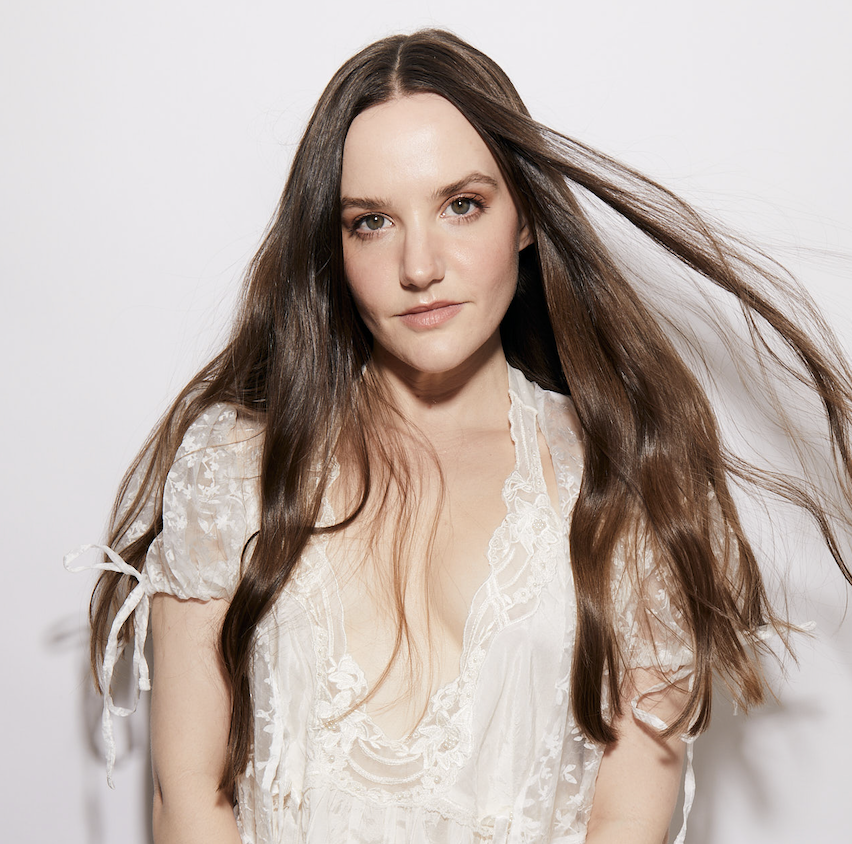
Writer + Producer + AI Creator
Jagger Waters is a writer, producer and multidisciplinary AI Creator with over a decade of experience across film, TV, audio, immersive, live events, and digital storytelling. As an early adopter at the forefront of AI-driven video production, her work has been recognized by SXSW, the Sundance Institute, VidCon, Adobe, Cannes, Raindance Film Festival, Fox Studios, the Producers Guild of America, Forbes, and the Television Academy.