
 Apple Podcasts

 Spotify
24 Hours Facing Death | Tara Pyfrom

In September 2019, Tara Pyfrom, her wife, their six-year-old daughter and five dogs found themselves trapped inside their home in the Bahamas as Hurricane Dorian brought devastating winds and a storm surge that flooded their neighbourhood.
Tara shares the terrifying experience of escaping rising floodwaters, spending 24 hours trapped in their attic, and eventually being rescued before leaving everything behind to start a new life in Canada.
We also explore the lasting effects of trauma, the difficult process of recovery, and how writing her memoir, The Ocean in Our Blood, helped Tara find hope and rebuild her life.
Guest Links
Website: https://www.tarapyfrom.com/
Instagram: https://www.instagram.com/tarapyfrom
David Brown
What is your misadventure?
Tara Pyfrom
My family and I were living in the Bahamas when Hurricane Dorian, a Category 5 storm with 200 plus mile per hour winds, hit our home and trapped us inside.
David Brown
We did have a little chat before, right?Just to kind of get to know each other a bit.And you did say you grew up in the Bahamas, is that right?
Tara Pyfrom
Born and raised.
David Brown
Born and raised.What was that like?
Tara Pyfrom
About as idyllic as you can imagine.I mean, you know, birthday parties on the beach every year in August, swimming in the harbor as little kids.I mean, just, you know, running around on bicycles, having an entire island as your playground.Yeah, pretty.Pretty incredible.
David Brown
I presume that you had storms all the time during hurricane season.
Tara Pyfrom
So yes, being from the Bahamas, storms are just a part of life.You learn very early how to, you know, what you need to do, how to be safe.Running from storms is not something you do as a Bahamian, but over the course of my life, the number of storms and the intensity of those storms has visibly increased.So my first major storm that I can recall, I was 15.And since then there have been more than I can count.
David Brown
So walk me through, like the days leading up, because when a hurricane's coming, like, you know it's coming.It's not like it just shows up overnight out of nowhere.Like tornadoes can kind of appear just out of nowhere.But that's not what a hurricane like, you know it's coming and you're presumably, you're watching the weather and you're watching the news.Like, what were those days?You know, maybe the three or four days leading up to the storm.What, what was that like?
Tara Pyfrom
Hurricane watch actually starts about 10 days out for us in the Bahamas.As Bahamians, we watch the weather through the summer.Hurricane season is June 1 to December 1.But the worst of the storms that we need to worry about happen August, September, October.It's just a way of life.When the summer months come around, you start watching the weather religiously.And so we see what will possibly become a storm 10 days out.When it's out in the middle of the Atlantic Ocean and they start giving you those spaghetti models that say, well, maybe here or maybe there, and you start watching.So 10 days out, maybe seven days out, possibly five days out, probably three days out.Time to start getting ready.
David Brown
And what does getting ready, what does that involve?
Tara Pyfrom
Getting ready is grocery shopping, making sure you've got water, filling your car with gas, filling your jerry jugs for your generators with gas, moving patio furniture, putting up hurricane shutters.If that's something that you need to do for your property, securing property, all of that is the beginning of getting ready.And it's something that we do, everyone does.Everyone has their checklists and their time schedule and when they usually do what.
David Brown
It's got to be crazy like growing up in an environment where that's just part of your kind of everyday life.Not every day, but you know what I mean?It's like every year it's like, okay, we got to make sure we've got everything ready and is the generator set and have we tested it and all that sort of stuff.And you know, are our shutters, are they good, are they working and all that sort of stuff.It's got to be kind of an interesting way to grow up, an interesting.
Tara Pyfrom
Way to go up.But it's the only way that any of us know.So it's not unusual, it's not, you know, abnormal.For us it's, you know, in the northern parts of the world there are snow days and for us in September there are hurricane days.
David Brown
Yeah, that's fair.They are kind of similar, aren't they?Yeah.Okay, so, right, so you've got, you've got all your stuff together, you've got yourself sorted out.I guess so.So walk me through sort of the timeline.When, when does it start to get serious and what happens?I'll just let you tell the story now from there.
Tara Pyfrom
So about three days out, it becomes apparent that this is not just another hurricane.It's the, the forecasters are saying things like once in a lifetime storm.And wait, the winds are how high?We've never had a storm with, you know, a category five 175 mph winds.What does 175 mph wind look like?So, yeah, at that point, it's a couple of days out directly east of us, so from we were on Grand Bahama island and so to the west of us is Fort Lauderdale, Florida.To the east of us is Abaco Island.So the storm is coming almost due west.It's going to hit Abaco first.We know that this is going to happen and everyone in Abaco and Grand Bahama are getting ready.But everyone's, you know, there's a different sense of getting ready.There's a difference.There's a higher sense of fear and anticipation because this is worse.And at the same time we're kind of talking ourselves into, oh, we'll be fine.We have done storms before.We had a storm three years ago that was really bad and we had no electricity for three weeks and we're used to this and we'll be fine.But not 24 hours before Hurricane Dorian made it to Grand Bahama where we were living, it hit Abaco.And it's the only storm that I know about in my lifetime where everyone continued to have connection.So usually the storm arrives and then that's it.You have no information about what's going on until after the storm leaves.In this case, 24 hours before.We're watching livestream video on social media of a wall of water going through the main town, people in second story buildings losing the roofs and wondering how they're gonna survive.Like it just catastrophe.And we're watching it live stream.So yeah, the sense of fear and what's gonna happen kind of ranks up really quickly that way when it becomes, you know, I'm watching this happen and that's when you start.We started to kind of question our plan.Our plan was we were going to stay in our home.We had a fairly new home.We had hurricane impact windows.The house is built to withstand this kind of weather.But then we start questioning it.But at 24 hours out, there's, it's too late, it's too late.There's no leaving the island.We had five dogs and a very young child.So there was no, oh, we're going to go to a hurricane shelter.No hurricane shelter is going to take us with five dogs.
David Brown
Yeah.
Tara Pyfrom
So it's, we're just, we've decided this is what we're going to do.Back to that positive thinking, we're going to be fine.Night before the storm arrives, 10 o' clock at night, weather starts to get cruddy.Walk the dogs, go to bed.We're ready, as ready as we're going to get.Check the weather again, get up a couple of times, check the weather some more.Electricity goes out.And then at about 4 o' clock in the morning on September 2, 2019, we got up to check the weather and the.Our home sat on the saltwater canal in Grand Bahama.And so we had ocean in our backyard.Basically by 4 o' clock that morning, the ocean had risen 10ft.
David Brown
Wow.
Tara Pyfrom
So we were suddenly an island by ourselves.
David Brown
Like, yeah, yeah.
Tara Pyfrom
Our whole neighborhood under 10ft of water.Our home was elevated because we knew we were technically in a flood zone.Years past, we'd had a few inches of water on the road.Ten years before, there had been a foot of water on the road.So we elevated our home four feet, thinking, more than enough.We're never Gonna have storm surge that high.
David Brown
Yeah, yeah.
Tara Pyfrom
We were so wrong.So very wrong.
David Brown
That's crazy.Ten feet.Wow.Wow.And that's before the storm gets there.Or that's right at the leading edge.
Tara Pyfrom
That's the leading edge of the storm.We haven't gotten the worst of it yet.That's the beginning of the storm.That's the beginning of the chaos.
David Brown
Yeah, yeah.Did you have boats and stuff in the back as well?
Tara Pyfrom
We didn't have a boat.Lots of people in Grand Bahama did have boats.My father always said a boat is a hole in the water you pour money into.
David Brown
Yeah.
Tara Pyfrom
Which is not wrong.
David Brown
No, no.
Tara Pyfrom
I grew up, I grew up with boats.Yeah, yeah.
David Brown
I grew up with boats as well.We had a 56 foot houseboat on the Tennessee river and then we had a 16 foot, like a bass boat, like a fishing boat, you know, with the two chairs that sit on the top that kind of stick out.And my grandfather and I used to go fishing and stuff, like weekends and stuff like that.So.Yeah, I know what you mean.Wow.Okay.Yeah.So you've got this storm surge now presumably that's pouring in the house at this point or is the house holding it off a little bit by.
Tara Pyfrom
By about 4:00'.Clock.4, 4:30 In the morning, pitch black.Can't see much except the fact that there's water surrounding the house.The water starts to come in under the doors.
David Brown
Okay.
Tara Pyfrom
And so there's a couple of inches of water and that's like, oh, we'll be, we're gonna have to do some repairs.We're gonna slosh around in ankle deep water for a while.This is gonna suck insurance.But then it goes from a couple of inches to calf high and then it's knee high.And then the sun starts to come up and you really get a sense of, oh, this is, this is so much worse than.And there's nothing we can do.No one, no one can come out to get us.Where winds are kicking up to 120, 130 mile per hour at this point.Boats in that weather, it's.There's no chance.There's no like deciding at this point that we're going to go to our neighbor's house who has a second story because we're going to drown trying to swim the 300 yards.
David Brown
Yeah.
Tara Pyfrom
With a six year old and five dogs.
David Brown
I was literally about to.It's a daughter, isn't it?
Tara Pyfrom
Yes.
David Brown
Yeah.I was about to ask how old she was, so.Yeah, six.Okay.Yeah.I Bet she was terrified.
Tara Pyfrom
She was.And it was.It was.We were sort of like, okay, how do we keep you dry and stable?And we decided the best place for her was the couch until the couch started to float.Then when the couch started to float, it was on top of the kitchen island.
David Brown
Yep.
Tara Pyfrom
And we're running around mad like, oh, we should pack up, you know, an emergency bag.Late for an emergency bag.We'd never packed an emergency bag before.We'd never had to consider leaving our home.I don't know what we were going to do with this emergency bag, since nobody was actually coming to get us.But packed the emergency bag, started moving photo albums from high shelves into higher shelves and inside garbage bags, thinking, you know, well, the water will stop eventually, right.So if you put it on the highest shelf, it'll be safe.The water just kept rising.Just kept rising.Just kept rising.Eventually, the top of the countertops was not dry.And we're still on the phone.Like, we still have contact with relatives, people in the United States.We're like, we don't know what to do.The water won't stop rising.What should we do?And people are like, oh, get on the top of your car.Well, the car's about to float, y'.All.
David Brown
Yeah.
Tara Pyfrom
Oh, well, you should get on your roof.How am I going to do that without getting, like, going out in the storm?Oh, you should go to your attic.And if we go to the attic and the water keeps rising, we're going to drown in the attic.Like, none of these options are an option.
David Brown
Yeah.What does that feel like?
Tara Pyfrom
Terror.Like I'm telling you this story.It's been seven years.I've had years and years of therapy, and the anxiety is still there.The anxiety is still increasing.I'm speaking faster than I normally would.
David Brown
I can hear it a little bit still.
Tara Pyfrom
It's still there.It's always going to be there.Every time I tell the story, it's still there.
David Brown
Yeah.Don't tell any more than you're comfortable with.
Tara Pyfrom
I've told it enough now that it's not so much that it's okay.Comfortable with, but it's just.I know that the anxiety is there.I know that the.The speed.Like, I could feel the adrenaline.
David Brown
Okay.As long as you're okay.
Tara Pyfrom
Yeah, I'm good.
David Brown
Okay.
Tara Pyfrom
I appreciate that, though.
David Brown
I don't.I'm not like a. I say this a lot, usually not when I'm talking to people during the episode, but I'm not.I'm not like an investigative Journalist.I'm not here to try and make anybody upset or whatever.Do you know what I mean?Yeah, that's not the point.
Tara Pyfrom
The purpose of the show isn't for me to start crying.
David Brown
Yeah, I, I do want to be.I want to be careful with the people that I talk to because a lot of times we are talking about sensitive topics.So if you do get it to a point that you want to stop or you just whatever, then feel free.It's totally fine.
Tara Pyfrom
That's fair.
David Brown
Okay.
Tara Pyfrom
Okay.
David Brown
So, right, so you're.Now it's getting serious.Your countertops, that's not working anymore either.
Tara Pyfrom
So then we're, we're swimming.Like, you know, you're sitting on top of your counter, but there's a foot of water and the five dogs are like, oh wait, we're wet, we don't want to be wet.And so the dogs are freaking out and the kids freaking out and we're trying not to freak out because it's going to freak out the dog and the kid more.
David Brown
Yeah.
Tara Pyfrom
And then all of the.We're gonna be fine.We're gonna be okay.Completely goes out of the window.And my biggest fear is we're going to drown inside the house with our face pressed against the ceiling saying our goodbyes to each other.We have to get out of the house.We have to get out of the house right now in 150 mile per hour wind with waves.And there's no way to go, but we have to get out of the house.So we made a very brief foray outside of the house.We went out of a window, basically had to like dive out of our window, push the dogs under the window.Our daughter at six was an excellent swimmer, thank goodness.So we went outside.We hunkered down underneath our covered patio.So the idea was that we could stay there.And then if the water got too high and we were literally not able to breathe, then we could go on the outside and maybe get on the roof.That lasted 30 minutes right before my head was going under while I'm trying to hold up, you know, floating pieces of furniture and dogs sitting on my shoulders and.And my wife making a goodbye video with our waterproof camera that we toted around for the entire thing.So, okay, that's it.No in.Let's go back in.We'll figure it out.But we have to go back in.It's either die now or die later.
David Brown
Cuz you literally couldn't go on the roof.Right.
Tara Pyfrom
Like we couldn't get on the roof.
David Brown
At that point, that was a non.Yeah, it was a non starter.
Tara Pyfrom
Yeah.So we couldn't.We couldn't even have gotten on the roof at that point.Yeah, the water wasn't quite high enough.And then when we got on the roof, we had a.A sheet metal roof.Slippery, Nothing to hold on to.And then you're completely in the elements and in the.The wind.
David Brown
Yeah.Yeah, it would have been worse.Yeah.Okay, so you're back in the house.
Tara Pyfrom
So we're back in the house, but the water's still rising.
David Brown
Geez.
Tara Pyfrom
And at that point, there was no other option except the attic.We knew that going into the attic meant we were trapped, but there was no other choice at that point.So by the time we went into the attic with our daughter and our five dogs, I literally swam the last dog from the bedroom where we were, into the closet.I had to dive under the door frame to get into the closet where the ladder was to get us in the attic.
David Brown
Right, right.
Tara Pyfrom
And then we were stuck.No more communication at that point.Whatever data cell signal we had either was lost in the attic or lost altogether.I don't know which.No way of tracking the storm.No way of knowing what it was doing.Is it almost over?Is it?The forecast said that it was going to slow down.What actually happened is that it stopped entirely for 24 hours.And the eye wall basically sat over our house for 24 hours.
David Brown
Wow.
Tara Pyfrom
So we had a little bit of food, we had a little bit of water.
David Brown
Which didn't make you feel any better because you knew the other side was coming.
Tara Pyfrom
Yeah.Like we're waiting for the quiet.Right.When that.When the eye comes through, there's the quiet.Yeah, you're halfway there.
David Brown
Yeah.
Tara Pyfrom
There was never quiet.We never got the eye.We only had the eye wall.
David Brown
Okay.Right.
Tara Pyfrom
And so we had no gauge on how long this was going to be.We had no gauge on how much higher the water was going to get.We sat there for 24 hours waiting for the roof to fly off.Like, the noise, the sound, the deafeningness of it all.We didn't sleep.Miraculously, our daughter slept for six, eight hours.I think sheer exhaustion and trauma got her.We didn't sleep.
David Brown
Kids, right?
Tara Pyfrom
Yeah, exactly.And then morning broke the Next.The next 24 hours later, and we could hear the change in the wind.The volume was less.Okay, that's finally a good sign.The water never made it to the attic.It stopped at the ceiling height.And then ever so slowly, we got it went down a couple of inches, and then it went down like a full ladder step.Okay, it's going down.That means the storm's leaving.We survived.We're alive.But then it was another three, four, five hours of waiting for the water to recede enough to actually, like, stick my head out and see and see.And the interior walls were gone.Like, I could.From my little closet, I could see my living room and my kitchen.The interior walls were completely stripped there.Just the studs were there.Yeah.Eventually, we came down out of the attic, got the dogs down, got our daughter down.My wife and I started, like, in a daze, kind of wandering around the house like, what, what, what now?The entirety of our house had been in a washing machine for 24 hours.Everything was broken.Windows and doors were open that were closed when we left.Furniture from one side of the house was in the other side of the house.Our.Our living room couch was sitting on our kitchen Island.But within 20 minutes of coming down, a person magically appears on our back deck in full wetsuit and goggles and fins.
David Brown
Right.
Tara Pyfrom
You guys want out?Yeah.Yeah, we want out.
David Brown
Yes, please.
Tara Pyfrom
Still blowing.Still blowing.Category one, 90 miles an hour.Yeah, definitely still too dangerous to be out, but they were out.They were grassroots.They were not official rescue people.They got in their boat.They were volunteers with the Bahamas Air and Sea Rescue.So they got in this little open boat and said, we're going to go start getting people.Nobody's heard from these folks in 24 hours.They have a young child.They're first on the list.They took the five.Five dogs, plus the three of us in an open boat and 90 mile an hour to their staging area, and we were miraculously alive.We were lucky.There's no other way of putting it.We were lucky.A lot of people died.
David Brown
And was that that.Was that the end of the storm then?
Tara Pyfrom
So that was the end of the storm.By the time we.We got to the staging area, where they were kind of like.It wasn't a shelter, it was a staging area.So it wasn't, like, all set up with beds and you could stay here as long as you needed to.It was, okay, you're here, we're going to feed you.We can give you dry clothes.You figure it out from there.
David Brown
Yeah, yeah, yeah.I think it's probably difficult for people who've never been through something like that to understand, you know, what that environment's like.I grew up with tornadoes.In Memphis, we used to have tornadoes all the time, which is a similar.In a weird kind of way, it's similar, right.It just comes through and completely destroys everything.And you know, as it goes through and you've got the same situation, right?You've got responses, you've got normal people like us.You know, I would go out and help them, volunteer and you've got normal people going out to help people and you know, you're just trying to do whatever you can, but there isn't like, you know, it's not like they take you to a nice gym and you have a lovely place that you can stay and cots and you know, it's, it is literally the basics.Like, let's get them something to eat, let's get them some fresh water and then maybe a, a foil blanket or, you know, something.And then, okay, well you go over there now because we got to deal with the next person and you are very much, you know, on your own.Wow.So what happened then?
Tara Pyfrom
We, we eventually got some cell data service and started making phone calls, trying to reach friends, trying to reach relatives, struggling to reach anybody, not knowing who we could call to know that they were in a better position than us.You know, looking for someplace we could go, but that it was in a better position.Like they hadn't lost their house too.Eventually we kind of just decided that we were going to get in this truck with some acquaintances and they were going to drive us to our relatives who we couldn't really connect with to say, can we come?Okay, they're safe, but can we come?So we just got in the truck and said, right, we're just gonna go and hopefully they'll figure it out when we get there.On the way there, we met up with some other acquaintances and they're like, oh no, we have a house.Like we're house sitting this like massive mansion that had no damage whatsoever from this storm that nearly killed us because that's how storms work.And they're like, oh, you can just come and stay with us.We've got like seven bedrooms.Really?Okay, that's where we'll go.Let's do that.
David Brown
Yes, please.
Tara Pyfrom
So acquaintances that we had only ever said hey to in the school drop off line took us in.
David Brown
Amazing.
Tara Pyfrom
Yeah, we were, we were with them for 48 hours before we.They fed us, they clothed us, neighbors brought toys for, you know, and they used iPad to entertain our daughter.And 24 hours, 48 hours later, 24 hours later, after the storm had left, all of the flood water had receded.We managed to go back to the house to kind of see what might bite, be salvageable Got our valuables out of the house, jewelry, medication.And 48 hours after the storm, we were lucky enough to get on a small private plane, one of the first ones that landed at the airport, because the Runway was covered in debris and had to be cleared so that small planes could land.There's a story that circulated that there was a shark sitting on the Runway.I have absolutely no idea if it was true, but it doesn't seem impossible.
David Brown
Yeah.
Tara Pyfrom
So we were able to evacuate out to Florida.
David Brown
Okay.
Tara Pyfrom
And.Yeah.
David Brown
That's incredible.And so did you.So I know you're in Canada now.Did you go straight to Canada from there and, like, never look back or what?Kind of almost.I see me had to regroup a little bit.You get to Florida, maybe try and regroup and make some sort of a plan.
Tara Pyfrom
Yeah, almost.So initially, our plan was that we were going to stay in Florida for six months so that we could have access to going back and forth to the Bahamas.We were going to put our daughter in school in Florida and we were going to, like, figure it out from there.As Bahamian citizens with a tourist visa, we could stay in the United States for up to six months at a time.So that was the plan.We were going to stay in Florida for six months, go back and forth.She was going to go to school.And within two weeks of Dorian, the political climate for folks from the Bahamas trying to figure their life out by being in Florida sort of imploded.And then it was the assumption that every single Bahamian that was in Florida was trying to illegally immigrate to the United States.States.
David Brown
Right.
Tara Pyfrom
We were not trying to stay in the United States permanently.We were trying to regroup.And so within three weeks of losing pretty much everything and having a plan completely implode in our face, we like, we.Okay, we can't stay here.Now what?Either we go back to what amounted to a war zone or we, like, go somewhere else.We couldn't stay in the United States permanently.We had no legal immigration options.We were never going to stay in the United States illegally.We threw up our hints and said, okay, let's go to Canada.There's a legal route for immigration there.They want immigrants there.Let's just go to Canada.So six weeks after Hurricane Dorian, we literally packed what was left of our life in the back of an SUV with five dogs and a six year old and drove to Canada, fingers crossed.Having never visited the eastern part of Canada before, crossed the border with the.Oh, we're coming for a visit.Yeah, we don't know how long that visit might last.That visit turned into seven years, and we're permanent residents in Canada now.
David Brown
Yeah, yeah, yeah.So was there a. Wow, that's crazy.Sorry, I. I'm just trying to.
Tara Pyfrom
You have to wrap your brain around that.
David Brown
I have to wrap my brain around that.I drove from Chicago to Anchorage, Alaska, with.With my girlfriend at the time and two dogs.Two dogs.Two dogs in the car.So I can kind of empathize in what that must have been like.Yeah, I. I did make a note while you were talking, and I know if I don't ask this question, everybody's going to flame me in the comments.Do you have pictures of the dogs that you can share?
Tara Pyfrom
We do.
David Brown
So we do.I can put pictures of the dog.I will put pictures of the dogs.Hopefully it will be before this comment and when you're telling the story about you and the five dogs and all that sort of stuff.And I. I have seen through some of your other appearances and.And through the book and stuff.And we'll talk about the book in a minute.That you do have some photos and all that that you have.So if you would be okay to share maybe some of those with me.
Tara Pyfrom
Absolutely.
David Brown
I'll put them in the episode going along as well while you're telling the story and stuff.So it helps people see it.For the people listening only you have to go to YouTube and then you can see all the nice pictures and you can see the pictures of the doggies.There we go.So, wow.Okay.So how did you decide where you wanted to go?You're in Florida and you're like, we're going to go to Canada.How did you decide to land where you landed?
Tara Pyfrom
I like to use the analogy that we threw a dart at a map.
David Brown
Okay.
Tara Pyfrom
Because we all but did.
David Brown
All right.
Tara Pyfrom
And every single person, and I do mean every single person we have met in Canada in the last seven years asks the exact same question.Why did you pick here?Yeah, we wanted to be on the east coast because we needed to be near the ocean.So even just six weeks after the ocean tried to kill us, we still couldn't imagine living interior Ottawa or Toronto, like, away from the ocean.We.We couldn't even wrap our brains around that.So it had to be East Coast.It had to be.We wanted to be driving distance to relatives.So we had relatives in New England, and we decided that this point was the.The shortest route.Driving.
David Brown
Yeah.
Tara Pyfrom
Into New England for.So we could get back and forth.So we had some kind of Network system.Even though it was a full day's drive away, it was still somebody that was close.
David Brown
Yeah.
Tara Pyfrom
And then from there, it was, you know, pick a town, pick a place, find a school.You know, start looking at real estate.And it was.Okay.We found this little, tiny elementary school that had the same sort of Montessori kind of curriculum that our daughter had been going to.So it wasn't like we were going to completely change her idea of what school was.Okay, that's a good school.Find a house.Okay.Looking at houses.Looking at houses.Oh, look, that house has a conch shell in it.Okay.That's the house.
David Brown
Right.
Tara Pyfrom
And I'm not even exaggerating.That's how we picked the house.
David Brown
No, I.Again, I've been in situations in my life that I can absolutely 100% empathize.And it's just like, you just need a place, and you just see even the tiniest little thing that you just look at it like, it can be the shell or it can be like, whatever it is, and you just go, yep, that's it.We'll have that one.Amazing.Amazing.So.So you've been there nine years?
Tara Pyfrom
Seven.
David Brown
Seven years.Sorry, my memory's terrible.So what was the sort of.Okay, you get yourself.You've.You.You now have found somewhere to land.You found somewhere to live.What were you doing.What were you and your wife doing for work when you were in the Bahamas?
Tara Pyfrom
So when we were in the Bahamas, my wife is an artist, and I was working as a executive assistant for a tour company.
David Brown
Okay.
Tara Pyfrom
Tour company went.You know, it took more than a couple of years for them to get back on their feet after that.Yeah, we had investments.We had our home fully insured for hurricanes.So unlike 75, 80% of the folks who had damages or lost their home entirely, we had bought into the what if.Boy, are we glad we did.
David Brown
Oh, yeah, that was a good decision.
Tara Pyfrom
Because the house was deemed structurally unsound by structural engineers after the fact, even though the house was there structurally, if you stood outside the house, it looked like it was fine, but it wasn't safe.So insurance paid us out entirely, and that made it so that we could basically throw up our hands and move to another country.
David Brown
Buy insurance, folks.
Tara Pyfrom
Insurance, please.Listen, this what if.I know that so often you.Insurance is a scam and people don't buy into it, but when you end up in a situation where you really need it, you're really glad you have it.
David Brown
Yep.
Tara Pyfrom
So it ended up that our route into immigration in Canada.The fastest, easiest route was for me to go to university.
David Brown
Okay.
Tara Pyfrom
Yeah.So I did.I went to community college here in New Brunswick for 18 months.I took a course doing executive assistant work, which I had been doing for 15 years.The easiest thing I could possibly do is what I did.And that led into post graduation work permits.And that it led into.It was a lot of paperwork, a lot of years of paperwork made more complicated by the fact that we arrived in a foreign country where we didn't know anyone.Six months before COVID Oh, yay.Yeah.So didn't know anybody.Suddenly you weren't allowed to actually meet anybody.
David Brown
Yeah.He couldn't talk to anybody?
Tara Pyfrom
No.Can't leave your house, Stay there, homeschool your kid.
David Brown
Jesus.
Tara Pyfrom
Try not to go insane.Not easy.
David Brown
Were you in?Were you in.Are you in, like a normal kind of neighborhood?
Tara Pyfrom
Yes.Yeah.So we were in.We, you know, it's.It.We live in New Brunswick.So large sections of New Brunswick are quite rural.We live in a suburb of one of the three main cities.So we have access to things.There are people.It's not like, you know, we're out in the dairy farm, which is like 45 minutes from us.
David Brown
Yeah.Well, I was asking because during COVID I'm.We live in a town called Tunbridge Wells, which is about 45 minutes south of London on the train.So we're right between London and the coast and we're like 20 minutes from the beach.And.But during COVID we lived on a farm that was like six miles outside of town.So literally, during COVID it was amazing because there was no traffic on the road and we could just go walking across the countryside like it was.It was pretty much a holiday.And I was lucky enough that the consulting work that I was doing at the time, I was able to continue working and just work from home.So I was able to keep working, get paid.I actually did a whole project around converting buses into mobile, like, treatment units so they could drive to small villages and give vaccines and all that sort of stuff.But the reason I was asking is because if you're in more of a suburban area, it was harder to get out and to maybe get around and walk around.Whereas.So I was just wondering if you were in the country, you know, a little bit further out where you could actually just get out at least and go for walks and stuff.
Tara Pyfrom
We did actually end up seeing quite a lot of New Brunswick during COVID because it was like, oh, you can't go here, you can't go There.You can't.Well, how about if I go to this beach in, you know, Bay of Fundy where there's nobody else?Yeah, you can do it.You can go there.Okay, let's do that.So we.We saw a fair bit of.Of the countryside and the.And the things that you would, you know, come to this area to.To see it from a tourist perspective, but with nobody there.
David Brown
That's cool.
Tara Pyfrom
Yeah.
David Brown
You got to learn the place a little bit.We did.So it wasn't all bad.
Tara Pyfrom
No.But bearing in mind that all of this was compounded by PTSD and depression and mental health issues, all as a result of what we've been through.So we're functioning, but maybe not functioning well.
David Brown
Yeah, yeah.And.Yeah, can you talk about that a little bit?Because, again, and, you know, we're not trying to.I'm not trying to dig into it too much, but what I want to see is, you know, how.How are you able to get over that over time?Do you know what I mean?And how has that made you the person that you are today?And so dealing with those struggles.Presumably everybody had ptsd.It wasn't just like you, because this was a whole family affair.
Tara Pyfrom
Yes.
David Brown
The animals have ptsd, you know, like everybody.So how do you even navigate everybody being like that?
Tara Pyfrom
It.We didn't navigate it very well at the beginning.Let's put it that way.
David Brown
Most people don't.
Tara Pyfrom
No, we.We prioritized our daughter's mental health over our own.Yeah, we got her into therapy immediately, and she responded really well.Something I didn't know existed was something called play therapy, which is therapy for little kids who don't have the vocabulary to talk about why they have anxiety and why they feel the way they do.But play therapy really worked well for her, and she had a really great therapist who would, like, literally get on the floor and crawl around and play games with her and do these.These art projects, and it would help her process what was going on for her.So we got our daughter's kind of mental health on its way before we prioritized ours.I had to hit rock bottom before I realized that I had not attended my mental health at all and had thrown myself full steam ahead into getting us to a new country, figuring out immigration, jobs, and housing, and, like, not paying any attention to how I was feeling and just doing the things.So it took some time.It took some time before we.My wife and I, each got into therapists that we actually liked, and then that turned into, oh, you can't Go to a therapist office.You have to do this thing called zoom therapy, which is, in my opinion, not quite as effective, but better than nothing.And.Yeah, so it took.It took years.It took years before we even got back to what I would consider to be a relatively good place.There were weeks at a time where I didn't like myself very much.My wife didn't like me very much.I really couldn't blame her because I wasn't functioning.Depression, anxiety, anger, guilt.Dogs that would freak out because it was windy.Yeah, they have.They have ptsd, too, like you said.
David Brown
Yeah.Which people don't think about.
Tara Pyfrom
No.Snowstorms in Canada have winds that sound very similar to hurricane winds.So one of our dogs would literally, like, if it started to get windy in the middle of the night, she would want to, like, crawl into bed with us, which we weren't.We're not the family that had the dog sleep in the bed with us.So no one was sleeping.
David Brown
Yeah.
Tara Pyfrom
So a lot of challenges for me.My therapist found out quite early on that I was an amateur writer.And I say amateur writer, meaning I would write poetry.
David Brown
Okay.
Tara Pyfrom
She's like, no, if you.If you're a writer, let's just.You write it all down.And then we're going to use that for your therapy.You're going to do writing therapy.And so my therapy became homework, which was, you write a small.However much you can.You can handle.You write that much at a time, and then the next time we have a session, you're gonna read it out and we're gonna talk about it.And that became the desensitization portion of my therapy.So it was, write the thing.Read it out.Read it out again.Read it out again.And I'm, you know, sniveling and snots running down my face, and I'm having migraines every.Every time I have therapy.But it worked.And so the therapy writings, by the time I had managed to get from.It started and the water started to come into the house to where we are today.Okay, I feel better.Like, I actually feel better.But then I realized that the culmination of all that writing was, well, I've got half a book.Like, this is the story of what happened to us.And I feel better.Like, I feel hopeful.Now, two years later, I feel like, you know, this isn't going to define the rest of my life.I could write a book.So I did.
David Brown
And that's ocean in our blood.
Tara Pyfrom
And that's the ocean in our blood.
David Brown
And when did that.When did that come out?
Tara Pyfrom
So it was released in June of 2025.
David Brown
Okay.So just over a year ago.
Tara Pyfrom
Yeah, yeah, it took it.It took a lot.Like, like I said, I had.I had amounted to a diary.Who wants to read someone else's diary?And that had to be worked into the storyline and what happened before and what happened after And.And make it so that what I wanted to convey was a sense of hope.So not everybody survived a Category 5 hurricane.In fact, very few people have.But, you know, everybody's got trauma.Car accident, divorce, abuse.Like, there's.There's all sorts of different trauma.Right.And when you're in it, you don't feel like you're ever going to get out of it.Like, this is.This is going to be my life forever.And so what I really wanted to convey with the book was a sense of hope.There is an outside of this.There is a putting it behind you to a certain degree.And so making it so that the book felt like a cohesive story, not just ramblings of someone's diary took time.And then getting it to a published format took time.But I'm really proud of how it came out.And everyone who's read it has, you know, raved about it and said, for goodness sake, whatever you do, do not read it before you go to bed.
David Brown
Top tip.If, if.And I'll put links for everybody and all the stuff where people can go and get it.I assume they can get it on Amazon and Amazon, the usual places.
Tara Pyfrom
Amazon Worldwide.
David Brown
Okay.And is there another place?Like, do you sell it directly or.
Tara Pyfrom
Yeah, I have it through my website.Tarapy from dot com.You can buy through there as well.
David Brown
So if I order one, if I order one from there, will you send me an autographed copy?
Tara Pyfrom
I will definitely send you an order.
David Brown
Awesome.I'll definitely order one as long as I know that you'll.You'll.If you'll send me an autograph and that'd be amazing.
Tara Pyfrom
Definitely.
David Brown
Wow.Okay.So is everybody okay now?
Tara Pyfrom
Everybody's okay.Obviously.Our daughter is the most okay.We tease her now that she's far more Canadian than she is Bahamian.She's been living in Canada for longer than.She lives in the Bahamas.
David Brown
Yeah,.
Tara Pyfrom
We.We still have, you know, periods of time where mental health goes up and down.I think once that you.Once you have this kind of trauma, it doesn't go away.It becomes a scar.And so the scar is there.And sometimes the scar is a little itchy and it's a Little red.And it's bothering you, and sometimes you don't even know it's there.So it's not unlike that.I will get anxiety when we have a snowstorm, just like the dog.I know that it's not a hurricane.I know that it's not going to blow the roof off, but if I'm laying in bed in the middle of the night in the dark and I can hear the wind, I will have trouble sleeping.
David Brown
Yeah.
Tara Pyfrom
Like I said at the beginning of the.Of the conversation, talking about it is good.Talking about it is important.Every time I talk about it, it gets easier.We talk about what happened and.And Dorian and life before and all of that frequently in our house with our daughter.But the anxiety is still there, and it's just.It's just learning how to.How to manage it, learning how far to go with it, when to stop, all of those things.But overall, where we're in a really good place.We ended up building a new home here in Canada and filling it with, you know, all of our ocean things in the Bahamas and folks who come to our home for the first time, like, oh, wow, I feel like I just stepped into the islands.This is amazing.So it's.It took us some time to figure out how to get back to some semblance of happiness and normal, but we got there.
David Brown
So what's your advice?I mean, I know you have a little bit, but.But what's your advice for people who find themselves in a similar situation?I mean, it could be hurricane, you know, it could be, you know, the people who are living in hurricane areas, or it could be tornadoes or anything else.If.If you had to give some sort of, you know, what's.What's the message that you've learned from your entire experience?What do you think that would be?
Tara Pyfrom
I'm not sure that I'm the best person to give advice on something like that.Not because I have.Specifically because I have experienced the worst of it.At this point, I'm fully aware and able to say that we ran away from the hurricane specifically on purpose.We moved to a place that does not have hurricanes.I refuse to ever find myself inside any kind of hurricane ever again, no matter how small it's supposed to be.
David Brown
Yeah.
Tara Pyfrom
And that's my very visceral reaction to everything that happened.Can I tell the entirety of the Caribbean, South Florida, Gulf coast and Eastern Seaboard to never be in a hurricane as long as you live?That might be challenging.Unfortunately, it's not something.I mean, it kind of goes Back to the same conversation we had at the beginning with the, with the climate change.It's, it's, we're not going to get away from it.It's just gonna get worse.At least in the continental United States, you have the option of getting in your car and driving inland.We didn't have that option.
David Brown
Yeah.Yeah.
Tara Pyfrom
So I guess my, my sort of advice for anyone has probably got more to do with after the fact than preventing the thing, because you're not gonna, you're not gonna stop a hurricane, you're not gonna stop the car accident, you're not gonna stop the thing that you don't see coming that blindsides you and slams right into you at full speed.
David Brown
Yep.
Tara Pyfrom
But yeah, talking about it is important.Facing it is important.Feeling the hard feelings and figuring out how to be self aware, how to, how to deal with it.Asking for help is probably like the biggest advice I could give anybody.Ask for help.If you're struggling, even just a little bit, ask for help.There are professionals whose sole purpose in life is to help someone who needs help, but they can't help you if you don't ask for help.And I mean, we have friends back home in the Bahamas where mental health professionals are few and far between.We haven't sort of caught up, caught up with some other places in the world yet with regard to that.So I know that some rural communities still don't have access to the mental health care that some of us that live in more populated places would have.The Internet is big.
David Brown
Yeah.
Tara Pyfrom
Most people, even in rural areas have some kind of Internet connection.There are online therapists.You can get help.You just have to decide you want it.
David Brown
Yeah, I think that's a, I think that's a good point.I was, I was going to ask you if you're going to move, if you have any plans to move back, but it sounds like.No,.
Tara Pyfrom
No, no, we visit frequently.
David Brown
That was my next question.Do you at least, do you go back and visit?
Tara Pyfrom
We, we get back at least once a year, sometimes twice.
David Brown
Okay.
Tara Pyfrom
So, yeah, we visit frequently.It's been very important for us to maintain a cultural connection to the Bahamas for our daughter so that our daughter has that as a part of her identity, even as she's growing up.Canadian.But yeah, I don't ever need to put myself in that position again.Not as long as I can avoid it.
David Brown
No, no, I think that's probably a good idea.
Tara Pyfrom
Yeah.
David Brown
Brilliant.Well, thank you very much.
Tara Pyfrom
Thank you for having me for reaching.
David Brown
Out in the first place and Yeah.I mean, it's.It's amazing, you know, that you got through it and that you were just lucky, you know, you were.It sounds like you were very lucky on the day we were, you know, just to.To be able to make it through.And you were able to, you know, save everybody and the dogs and everything else.And, you know, you've been able to put yourself in a position now where you were able to, you know, work through all the difficulty that comes with that.And, you know, it sounds like you're.You're in a really good place now, and that's amazing.
Tara Pyfrom
Yeah, we are lucky.There's no other way of putting it.Just lucky.
David Brown
No.And so, like I said, books available on your website and on Amazon internationally.So we'll put links in for that for people.Or do you have any other places?Do you have social accounts or anything?
Tara Pyfrom
Yeah, Instagram.Tara Pyfram.Really easy to find.Okay.Facebook as well, so follow along.I do some freelance writing, so magazine articles, mostly lived experience.Some of it kind of ties back to different things with the Bahamas and so.Yeah.
David Brown
And you have a YouTube channel as well, which I did find with some of the news reports and stuff like that that you've been on as well, if people are interested in that.But all the links to all of that and your bio and everything are on the Life by Misadventure website under the guest tab, so anybody can go and find it.When the episode's live, you'll be able to access that, and then there'll be links to everything in there as well.So, you know, there'll be links to all of that so people can find you.
Tara Pyfrom
Brilliant, Tara.
David Brown
Thank you very much.
Tara Pyfrom
Thank you.
David Brown
Cheers.Bye.Bye.Bye.
Tara Pyfrom
Bye.

Author
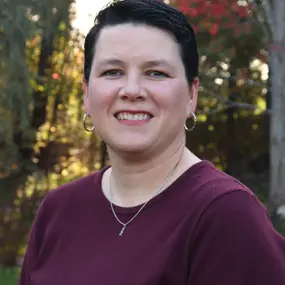
Tara Pyfrom (she/her) is a Bahamian-born Canadian author and freelance writer whose life changed forever when Hurricane Dorian, a Category 5 storm, devastated her home in the Bahamas in 2019.
An island girl at heart, Tara grew up surrounded by the natural beauty of the ocean, which has always been a source of inspiration for her writing and a defining part of who she is. A lifelong lover of words, she began writing poetry and short stories as a child and has always been drawn to vivid descriptions and powerful storytelling.
After surviving the hurricane with her family, Tara spent years working through the trauma of the experience in therapy. That journey eventually led her to turn her story into her first book, The Ocean in Our Blood. Blending lyrical writing with intense, edge-of-your-seat storytelling, the memoir recounts her family's harrowing physical survival and the two-year recovery that followed, exploring what happens long after the storm passes and the cameras leave.
Tara now lives in New Brunswick, Canada, with her wife and daughter. Though she has traded tropical island life for Canada's colder shores, the ocean remains central to her understanding of beauty, power, and resilience. When she isn't writing, she's usually planning the family's next far-off travel adventure.