Three Months With a Killer - Inside Cork’s House of Horrors
Grainne Canavan lived at 9 Wellington Terrace shortly before the Cork house became the centre of a disturbing murder investigation.
At 18, Grainne Canavan wanted what many teenagers want: a place of her own. In the autumn of 1993, she found it a few doors up the hill from her family home in Cork, in a gloomy old building divided into bedsits. The rent was £30 a week, the rooms were cold and the mattress left behind for her was disgusting, but none of that seemed particularly remarkable at the time.
Nor, initially, did the small man living in the bedsit above her. Frederick “Freddie” Flannery lent her a frying pan, gave her lifts on the back of his motorbike and brought her bowls of homemade Irish stew. He helped the teenager navigate benefits offices and introduced her to his family. However, within a few short years, he would be accused of murder and the house they shared, 9 Wellington Terrace, would become known in the Irish press as Cork’s “House of Horrors”.
The man upstairs
Grainne had grown up moving from house to house. Her parents separated when she was four, and by the time she was 15 she reckoned she'd moved roughly once for every year of her life. Her mother, an English Protestant whom Grainne describes as something of a hippie, had little interest in conforming to the expectations of Catholic Ireland.
Grainne felt differently. She remembers wanting to be like everyone else and feeling the weight of being the child of a single parent in a society where difference could carry a heavy burden of shame. By 18, she'd finished school, had a university place waiting for her in England and wanted some independence before leaving Ireland.
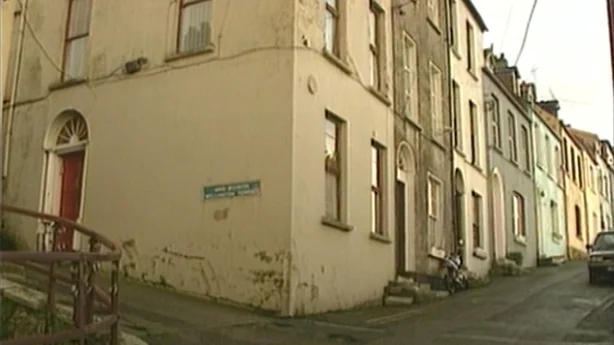
Nine Wellington Terrace wasn't much of an escape. The hallway was grey and gloomy, the bedsits basic and the house had a single shared bathroom. Grainne remembers warming herself using the electric rings on her cooker. Yet Freddie's room upstairs became a social centre, somewhere people gathered around his little table for tea, conversation and, occasionally, rock cakes.
Freddie admitted that he had a criminal past. He told Grainne that he, his twin brother and their friends had been petty thieves. Yet nothing about his behaviour towards her made her frightened of him.
“I was a young girl and there was no, like he was just friendly. There was nothing untoward and he had no agenda.”
There was one moment that didn't fit. One evening, while smoking hash, Freddie suddenly turned on her and tried to persuade her to join him. When she refused, his mood changed. “Grainne, you're either with me or you're not,” she remembers him telling her.
She went downstairs. The following day, Freddie appeared looking ashamed and unable to meet her eyes. He carried a pot of Irish stew as a peace offering. Soon afterwards, things returned to normal.
The room she left behind
Grainne stayed at Wellington Terrace for only about three months. Money was painfully tight. She was receiving roughly £55 a week in benefits and handing over £30 of it in rent while repeatedly trying, and failing, to secure rent allowance.
She visited the St Vincent de Paul for food vouchers. She struggled to find work in a city where jobs were scarce. Eventually, shortly before Christmas 1993, she gave up the bedsit and moved back home.
It felt like a setback.
Only later would she wonder whether being refused that rent allowance had been an extraordinary piece of luck.
A few months after she left, Cathal O'Brien disappeared. Grainne knew him well. He'd lived in the loft bedsit at Wellington Terrace and she remembers him as a gentle 23-year-old with long curly hair, an easy smile and an unusual concern for people around him.
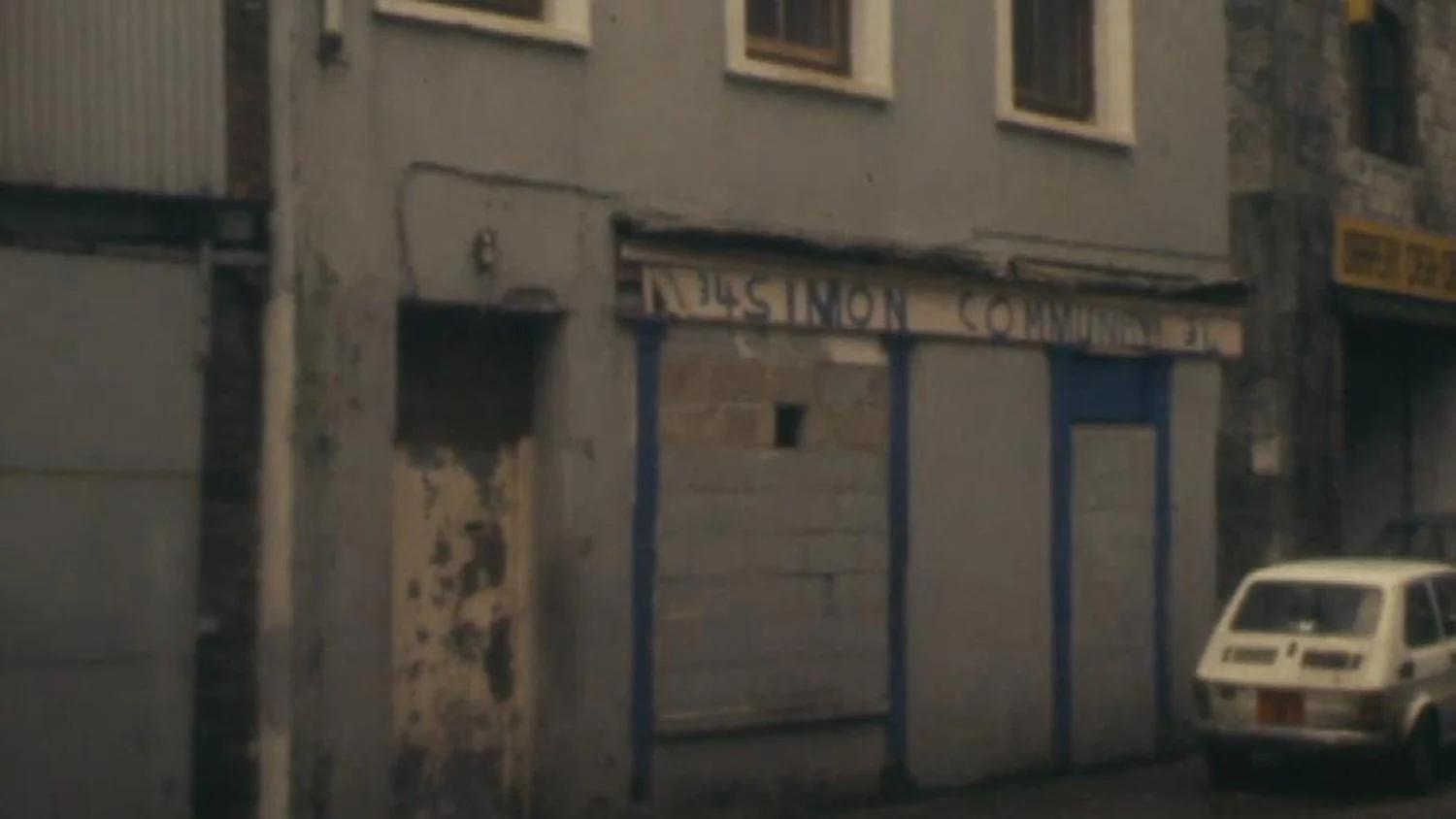
Despite being unemployed himself, Cathal volunteered with Cork Simon Community, helping homeless people in the city. Through that work he befriended Kevin Ball, an Englishman staying at the shelter, who later moved into Wellington Terrace.
Then both men vanished.
Grainne had already moved to England by the time the story began to unravel. She remembers Gardaí telephoning her at university, apparently following up on suggestions that the two men might have travelled to England. The call was remarkably brief. Nobody asked her about living in the house or what she knew about Freddie.
Then another man disappeared.
Denis “Patch” O'Driscoll was an old friend of Freddie's and moved into Grainne's former bedsit. Years earlier, he'd lost an eye in a car crash while Freddie was driving. Grainne remembers Freddie talking about compensation O'Driscoll was expecting and saying that his friend would give him some of the money.
Eventually, Freddie Flannery was charged with O'Driscoll's murder.
When the past changed shape
For Grainne, one development changed everything. Freddie's own nephew became a prosecution witness.
She knew the nephew. She'd seen him repeatedly in Freddie's room and knew how close the pair were. He claimed his uncle had admitted killing O'Driscoll and gave disturbing evidence about seeing dismembered human remains.
For Grainne, the man who'd lent her a frying pan suddenly became harder to reconcile with the person emerging from the investigation.
The murder trial eventually collapsed after serious failures by Gardaí came to light, including the non-disclosure of material that could have affected the credibility of Freddie's nephew. Freddie wasn't convicted.
Then, shortly afterwards, O'Driscoll's dismembered remains were discovered outside Cork.
Cathal O'Brien and Kevin Ball have never been found.
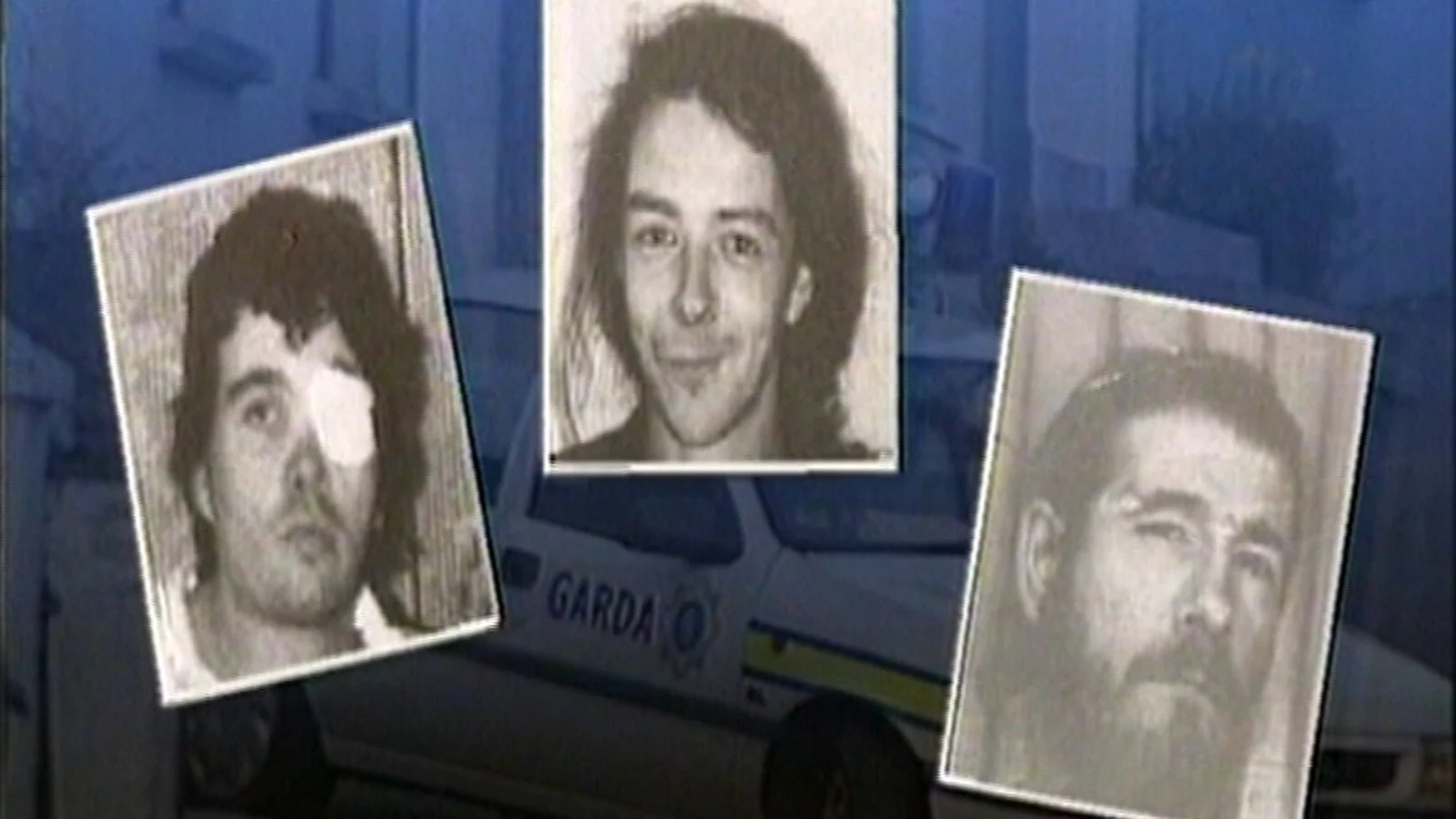
For years, Grainne largely put Wellington Terrace away in her mind. It belonged to another life, one she'd left behind when she moved to England. Watching documentaries about the murder of Sophie Toscan du Plantier decades later unexpectedly brought those memories back.
She began reading the old reports again. She contacted Gardaí and eventually spoke to Cathal's father for around an hour and a half. What mattered to her wasn't simply what might have happened to Cathal, but who he'd been before he became a black-and-white photograph accompanying a story about a notorious house.
“Cathal was definitely a son to be proud of.”
It also forced Grainne to reconsider her own memories of Freddie. She found herself asking why she hadn't recognised danger and whether she'd simply been naive.
The answer she's arrived at is considerably more unsettling.
“People aren't just one thing. That's what I'm guess I'm still learning at this age. No one is one thing. And someone can be very kind to you on one side, but, you know, do monstrous things.”
Looking back, there's another detail she finds difficult to shake. Another man, Frank “Blackie” McCarthy, had disappeared before Grainne ever moved into Wellington Terrace. His disappearance has subsequently been linked in reporting to suspicions surrounding Flannery, although what happened to him remains unresolved.
Grainne thinks about the rent allowance she wanted so badly at 18. Had she received it, she might have stayed in the house much longer, into the period when Cathal, Kevin and O'Driscoll disappeared.
“Sometimes the best gift is not getting what you want.”
She can't know what would have happened. That's precisely what makes the thought linger.
More than 30 years later, Grainne has started writing about Wellington Terrace. Part of that process is about understanding her own experience, but she wants to do something else too. She wants to return some humanity to men whose lives have become inseparable from the circumstances in which they disappeared.
True crime has a habit of making the alleged killer the most interesting person in the room. Grainne's memories offer something quieter and perhaps more useful. She remembers cold bedsits, cups of tea, struggling for money, people trying to help each other and a kind young man called Cathal who volunteered at a homeless shelter when he had very little himself.
She also remembers Freddie Flannery being kind to her. That's the uncomfortable detail that refuses to fit neatly into the story, and perhaps it shouldn't. Sometimes the frightening thing about looking backwards isn't discovering that all the warning signs were there. It's discovering how ordinary everything looked while you were living through it.

Founding Partner | Orion Studios
I’m a podcast host, producer and digital media strategist based in the UK. I’m the founder of Futurehand Media, a consultancy I started in 2005, and the founder of Orion Studios, a digital media and production studio in Tunbridge Wells.
Most of my work is built around real conversations delivered through podcasts, interviews, films, client stories (testimonials) and/or brand content. The format changes, but the aim is usually the same: help people and organisations turn ideas, experience and expertise into content that feels useful and human.
Before moving deeper into audio and video, I spent years working for startups focusing on digital marketing and analytics, including leading teams of digital marketing data analysts, which gave me a practical view of what works, what doesn’t, and why so much content fails to connect. I’m interested in simple systems, strong ideas and making things that serve a real audience.
I’ve also worked as a semi-professional photographer, which still shapes how I think about visual storytelling. There’s a big difference between something that simply looks “fine” and something that feels intentional and I try to incorporate that into all my work.
I’m originally from Memphis, Tennessee, and I’ve lived in the UK since 1999, so I tend to bring a mix of Southern storytelling and British pragmatism to the work. I like honest conversations, useful media, and helping people communicate something that actually matters.
I believe the best way to become successful is to help other people succeed. Success isn’t a z… Read More
When the Ocean Took Everything