A Dead Man in the Driveway: How Jody McHugh Found the Light in a Dark Childhood
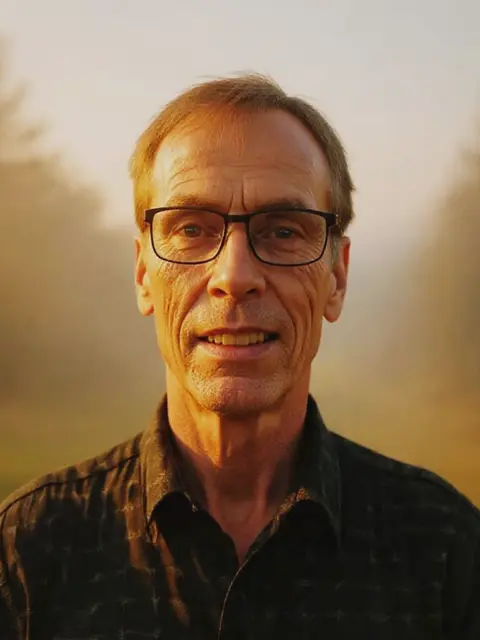
Atlanta storyteller Jody McHugh turned a childhood marked by drugs, violence and neglect into stories about humour, perspective and the people who chose to help.
Jody McHugh was eight years old when he walked out of his family home in Riverdale, Georgia, on his way to school and saw a dead man fall out of a car. The man had spent the previous evening at a party thrown by Jody’s older brother, a heroin dealer, while their parents were away. Jody and his 11-year-old brother Mitch stood there in the early morning light as the adults around them descended into panic. Then, remarkably, the boys went to catch the school bus.
It’s the sort of story that could swallow everything that comes after it. In Jody’s case, though, the overdose was less an isolated horror than the moment one version of his childhood ended and another began. What followed included drugs, threats, poverty, murder and a family coming apart, but also a group of teenagers who noticed two hungry boys and quietly decided to help. Decades later, that unexpected kindness is the part Jody keeps returning to.
The Morning Everything Changed
Before all this, Jody remembers an almost idyllic childhood. His parents were working-class, his mother employed by the state Department of Education and his father by the post office, and the family lived in a new neighbourhood beside the Flint River. There were five brothers, houses full of baby boomers and, in Jody’s memory at least, a sense that the world around them was safe.
That began to unravel when his parents separated. One evening, they left town to visit Jody’s grandmother, who was dying of cancer, leaving the younger children with their older brothers. What they didn’t know was that 17-year-old Randy was using and dealing heroin, and had decided to throw a party while they were gone.
The following morning, one of the guests was found dead in the family car from an apparent overdose. Rumours soon spread that Randy had deliberately given him a fatal dose, although Jody is careful to say he never knew whether that was true. The dead man’s brother believed it, though, and began threatening Jody and Mitch in revenge. For months there were drive-bys, gunshots, bottles thrown into the driveway and threats against two children who’d had nothing to do with any of it.
“That was pretty much where the childhood ended.”
Eventually, the family home was broken into and set alight while they were away attending their grandmother’s funeral. Randy went to prison for selling heroin. Jody’s parents divorced, his mother stopped working and money disappeared. The comfortable suburban family became the family neighbours avoided.
There’s one image from this period that says more than the larger dramas around it. Jody and Mitch were standing in their kitchen frying onions because there was nothing else to eat. They weren’t making a side dish. The onions were the meal.
The People Who Noticed
A young woman named Judy Hansen walked into the kitchen and saw what they were doing. She was one of the teenagers and young adults who came to the house because Jody’s brother was selling cannabis. When the boys explained that they were hungry, she took the frying pan away, turned off the cooker and took them to McDonald’s.
Then she took them to her family home and raided the freezer for food. Other people noticed what Judy had done and began doing it too. They’d arrive with groceries from their parents’ cupboards and freezers, take the boys for ice cream or bring them along on trips. These were, as Jody affectionately calls them, the “damn hippies” who were supposed to represent everything respectable society distrusted.
The contrast wasn’t lost on him. After his parents’ divorce, Jody remembers attending church with his mother and brothers and watching other members of the congregation move away from them in the pews. The family never returned. Meanwhile, teenagers with long hair, bell-bottoms and bags of weed were making sure two children had something to eat.
“They really showed us not to give up.”
Two of those people, Steve and Carol, even invited Jody and Mitch to stay with them for several weeks during the summer. Later, Jody asked them to visit his school and play music for his class. They turned up looking every inch the 1970s hippies and chose two songs that meant little to him at the time but became much more significant when he was older.
Only as an adult did Jody understand what they’d been trying to tell him. These young people couldn’t undo what had happened inside his family, and they weren’t pretending they could. They simply saw what was happening to two children and responded to it.
Turning the Darkness Into Stories
Jody could easily have carried his childhood as something that happened only to him. Instead, he gradually discovered that telling stories gave him another way to handle it. At school, a substitute teacher once asked him to turn a list of words into a story because he’d missed too many lessons to take the regular test. Her reaction to what he wrote planted an idea that would stay with him.
Years later, he co-wrote a book, The Damage Done, and eventually began telling stories on stage at The Moth. His material ranges from the disturbing to the absurd, often within the same story. That mixture matters because Jody doesn’t seem interested in presenting himself solely through the worst things he has witnessed.
“I became the funny guy,” he says of his childhood response to chaos. Humour could change the temperature in a room. If adults were arguing, making them laugh could interrupt the argument, even briefly. It became both instinct and survival strategy, and eventually part of the way he told his own story.
“What do you view all day long, the dark that happened or do you view the light? I want to see the light.”
That choice doesn’t mean pretending the darker material isn’t there. Jody talks openly about overdose, neglect and violence because he’s discovered that other people recognise parts of themselves in those experiences. Their circumstances may be different, but difficult parents, addiction, fear and the habit of burying painful experiences aren’t unique to one family in 1970s Georgia.
Talking about it, he says, became a way of releasing some of what had been stored away. He doesn’t excuse his parents, but neither does he seem interested in spending the rest of his life prosecuting them. Age and becoming a parent himself brought the uncomfortable recognition that parents arrive with histories and damage of their own.
Perhaps that’s why the most enduring characters in Jody’s story aren’t the drug dealers or the murderers. They’re Judy, Steve, Carol and the other young people who opened cupboards, filled bags with food and turned up when nobody had asked them to.
They couldn’t change the circumstances of Jody’s childhood. What they could change was what a child learned from those circumstances. Alongside everything that taught him people could be dangerous, unreliable or cruel, somebody made sure he also learned that strangers could notice you were hungry and decide that mattered.
That’s a smaller story than a dead man falling from a car in the morning light. It’s also the one that seems to have lasted longer.
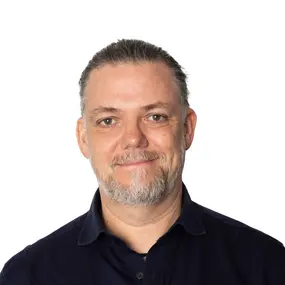
Founding Partner | Orion Studios
I’m a podcast host, producer and digital media strategist based in the UK. I’m the founder of Futurehand Media, a consultancy I started in 2005, and the founder of Orion Studios, a digital media and production studio in Tunbridge Wells.
Most of my work is built around real conversations delivered through podcasts, interviews, films, client stories (testimonials) and/or brand content. The format changes, but the aim is usually the same: help people and organisations turn ideas, experience and expertise into content that feels useful and human.
Before moving deeper into audio and video, I spent years working for startups focusing on digital marketing and analytics, including leading teams of digital marketing data analysts, which gave me a practical view of what works, what doesn’t, and why so much content fails to connect. I’m interested in simple systems, strong ideas and making things that serve a real audience.
I’ve also worked as a semi-professional photographer, which still shapes how I think about visual storytelling. There’s a big difference between something that simply looks “fine” and something that feels intentional and I try to incorporate that into all my work.
I’m originally from Memphis, Tennessee, and I’ve lived in the UK since 1999, so I tend to bring a mix of Southern storytelling and British pragmatism to the work. I like honest conversations, useful media, and helping people communicate something that actually matters.
I believe the best way to become successful is to help other people succeed. Success isn’t a z… Read More
When the Ocean Took Everything