Lost in the Egyptian Desert: How Andrew Clough Survived a 100km Walk to Stay Alive
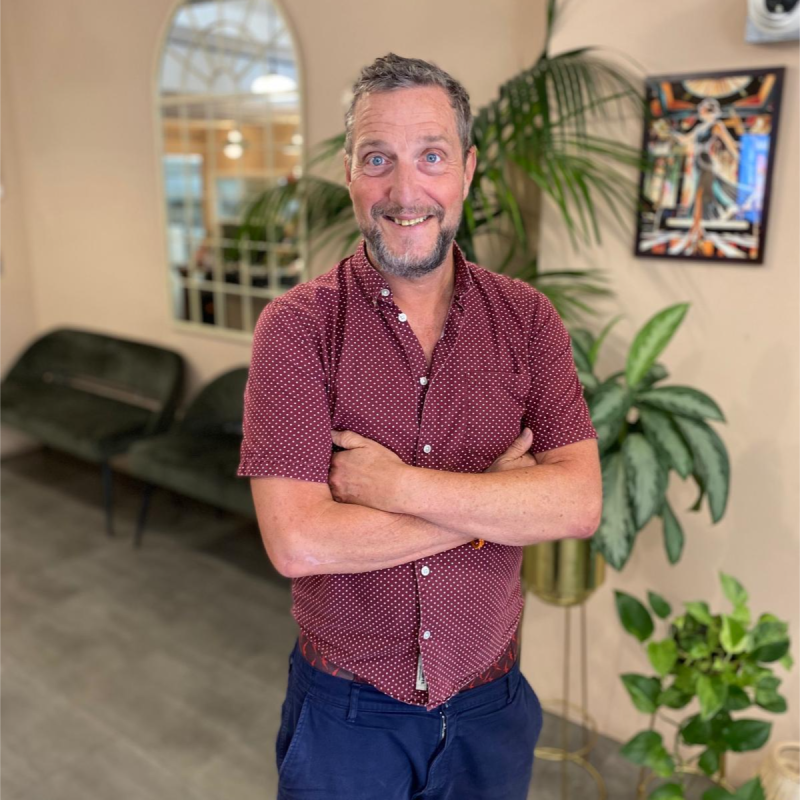
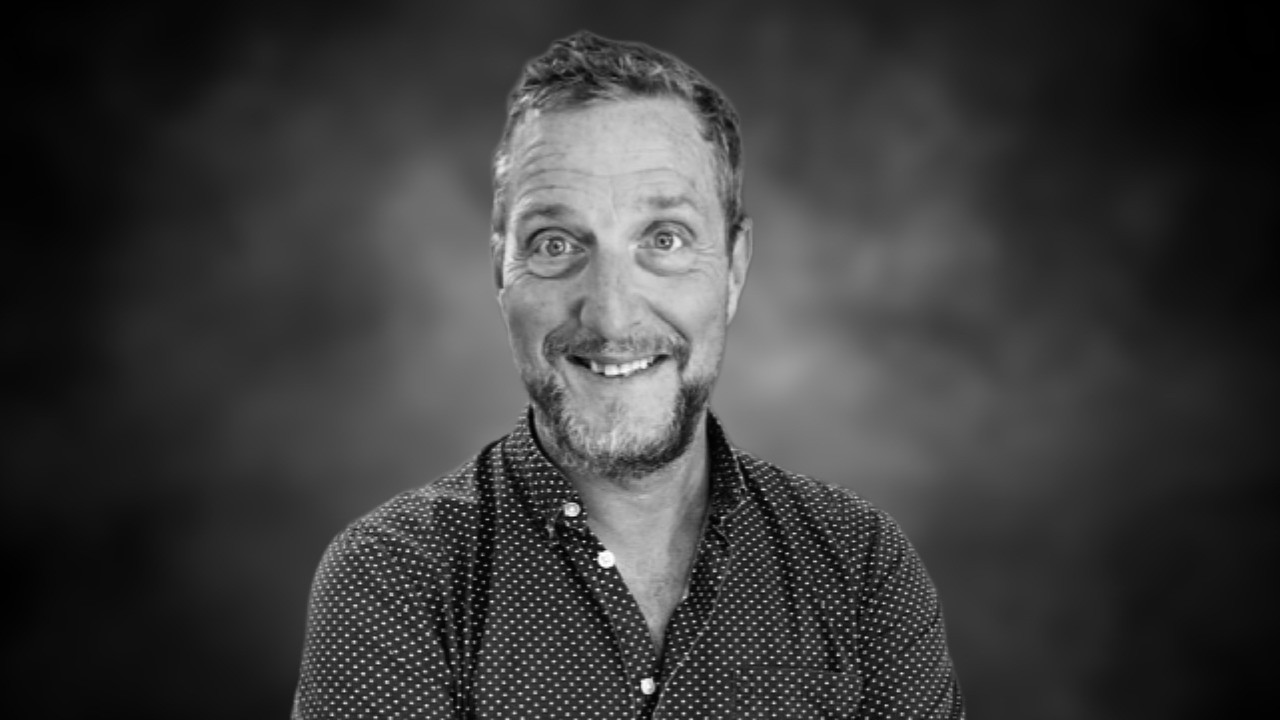
Andrew Clough retraces the extraordinary journey that left him stranded in Egypt's Western Desert and forced him into a desperate walk for survival.
For most people, travelling the world begins with months of planning. For Andrew Clough, it started with a backpack, an around-the-world ticket and the confidence that comes from being young enough to believe everything will somehow work itself out. Fresh from leaving home, he landed in Cairo with little more than a Lonely Planet guide and a growing sense of excitement about what lay ahead.
That approach served him well at first. Egypt was everything he'd hoped it would be: bustling streets, remarkable hospitality, ancient history and the kind of unexpected encounters that make independent travel so addictive. Like so many backpackers, he found himself following recommendations from other travellers rather than a carefully planned itinerary, each new suggestion leading naturally to the next adventure.
One of those recommendations took him to Siwa Oasis, deep in Egypt's Western Desert. It was beautiful, remote and unlike anywhere he'd ever experienced before. It was also where one seemingly sensible decision would turn an unforgettable trip into a fight for survival.
An Adventure That Went Wrong
The plan sounded straightforward enough. A local fixer named Ahmed could drive a small group of travellers along a military road that cut across the desert, saving them the long journey back through Cairo. It wasn't an official tourist route, but it was a well-known shortcut for adventurous backpackers heading south.
At first, everything felt like part of the experience. The group passed through military checkpoints, admired the endless desert landscape and bounced along in an ageing pickup truck that looked as though it had seen better days. Then came the first puncture. The tyres were swapped around, everyone climbed back aboard, and the journey continued.
The second puncture changed everything.
With no usable spare tyre, the truck was stranded hundreds of kilometres from civilisation. Worse still, nobody knew the group was travelling that route. Nobody was expecting them at their destination, and nobody expected the vehicle back for another two weeks. The realisation slowly spread through the group that rescue wasn't coming, not because nobody cared, but because nobody even knew they were missing.
Andrew had another problem. He'd been ill before setting off, probably from something he'd eaten the previous evening, and already felt weak before the real ordeal had begun. When it became clear someone would have to walk back to the nearest military checkpoint, he volunteered to go with Ahmed. Waiting beside the broken vehicle felt even more dangerous than setting off across the desert on foot.
"It was the first time I'd ever not been able to turn on a tap or find water. It was the weirdest experience."
Three Days in the Desert
Nothing prepares you for how quickly the desert strips life back to its essentials. The daytime temperature climbed towards 45 degrees, while the nights became bitterly cold. Water, something most of us never think about, became the centre of every decision, every conversation and every thought.
As the days passed, the physical discomfort gave way to something much more unsettling. Andrew and Ahmed rationed the last of their water, slept inside the shell of an abandoned fuel tanker to escape the freezing night air, and walked until every step became an effort. When they eventually reached an oasis, it offered little comfort. The water was too salty to drink safely, and Andrew discovered his feet had swollen so badly inside his trainers that the skin had worn away, exposing bone in several toes.
The greatest challenge, though, wasn't physical.
Dehydration began to change the way Andrew thought. He hallucinated military tents around every bend in the road, convinced rescue was just ahead, only to watch the images disappear as he got closer. Time blurred. Reality became uncertain. The line between rational thought and survival instinct grew thinner with every passing hour.
Andrew speaks about those moments with remarkable honesty. Walking behind Ahmed with a heavy stick in his hand, he found himself wondering whether he could survive by killing the man in front of him. It's an uncomfortable admission, but an important one. Faced with extreme dehydration and the genuine prospect of death, the brain stops thinking like the person you know yourself to be and starts thinking only about survival.
"We're hardwired to live... you realise you actually might not, and that's a pretty weird thing."
Perhaps the lowest point came beneath the shade of a lone tree beside the oasis. After everything they'd endured, Ahmed quietly remarked, "At least we die together." For Andrew, hearing those words made the situation suddenly feel real. Until then, survival had always felt possible. Now, for the first time, he genuinely believed they might never leave the desert.
What the Desert Leaves Behind
Listening to Andrew tell the story today, it's striking how little time he spends portraying himself as brave. Instead, he laughs at his own inexperience, admits the mistakes he made and reflects on how little preparation he gave the journey before setting off. There's no attempt to rewrite history or make himself the hero.
What stayed with him wasn't simply the memory of surviving, but the understanding of how quickly life can change. One ordinary travel decision became a life-or-death situation, and once he accepted that possibility, every small decision suddenly mattered. Standing up. Taking another step. Continuing when stopping felt easier.
One moment captures that better than any other. Convinced he could go no further, Andrew sat beside the road and wrote a final message to his mother in the sand. He believed that was where his journey would end. But after a few moments, he stood up again. Not because he felt stronger, or because he suddenly believed rescue was close, but because he couldn't bear the thought of dying while sitting still.
That's what makes Andrew's story resonate long after the details of the desert have faded. It's not really about Egypt, or backpacking, or even survival. It's about what happens when everything comfortable is stripped away and the only thing left is the decision to keep moving forward, one step at a time.
Founding Partner | Orion Studios
I’m a podcast host, producer and digital media strategist based in the UK. I’m the founder of Futurehand Media, a consultancy I started in 2005, and the founder of Orion Studios, a digital media and production studio in Tunbridge Wells.
Most of my work is built around real conversations delivered through podcasts, interviews, films, client stories (testimonials) and/or brand content. The format changes, but the aim is usually the same: help people and organisations turn ideas, experience and expertise into content that feels useful and human.
Before moving deeper into audio and video, I spent years working for startups focusing on digital marketing and analytics, including leading teams of digital marketing data analysts, which gave me a practical view of what works, what doesn’t, and why so much content fails to connect. I’m interested in simple systems, strong ideas and making things that serve a real audience.
I’ve also worked as a semi-professional photographer, which still shapes how I think about visual storytelling. There’s a big difference between something that simply looks “fine” and something that feels intentional and I try to incorporate that into all my work.
I’m originally from Memphis, Tennessee, and I’ve lived in the UK since 1999, so I tend to bring a mix of Southern storytelling and British pragmatism to the work. I like honest conversations, useful media, and helping people communicate something that actually matters.
I believe the best way to become successful is to help other people succeed. Success isn’t a z… Read More
A Dead Man in the Driveway: How Jody McHugh Found the Light in a Dark Childhood