The Girl Who Survived War and Chose Joy

Danijela Čolić reflects on surviving the Bosnian War, life in a concentration camp and rebuilding a life defined by resilience rather than fear.
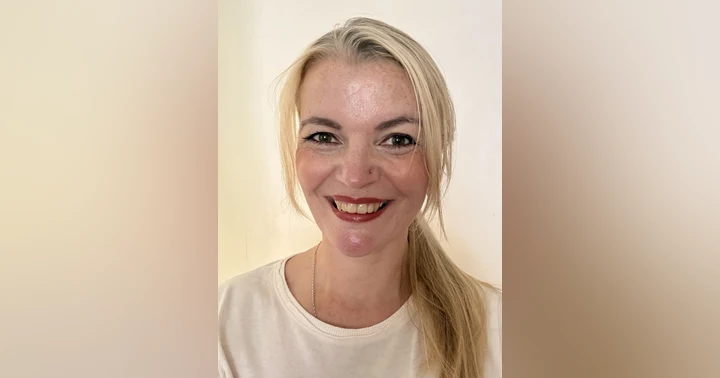
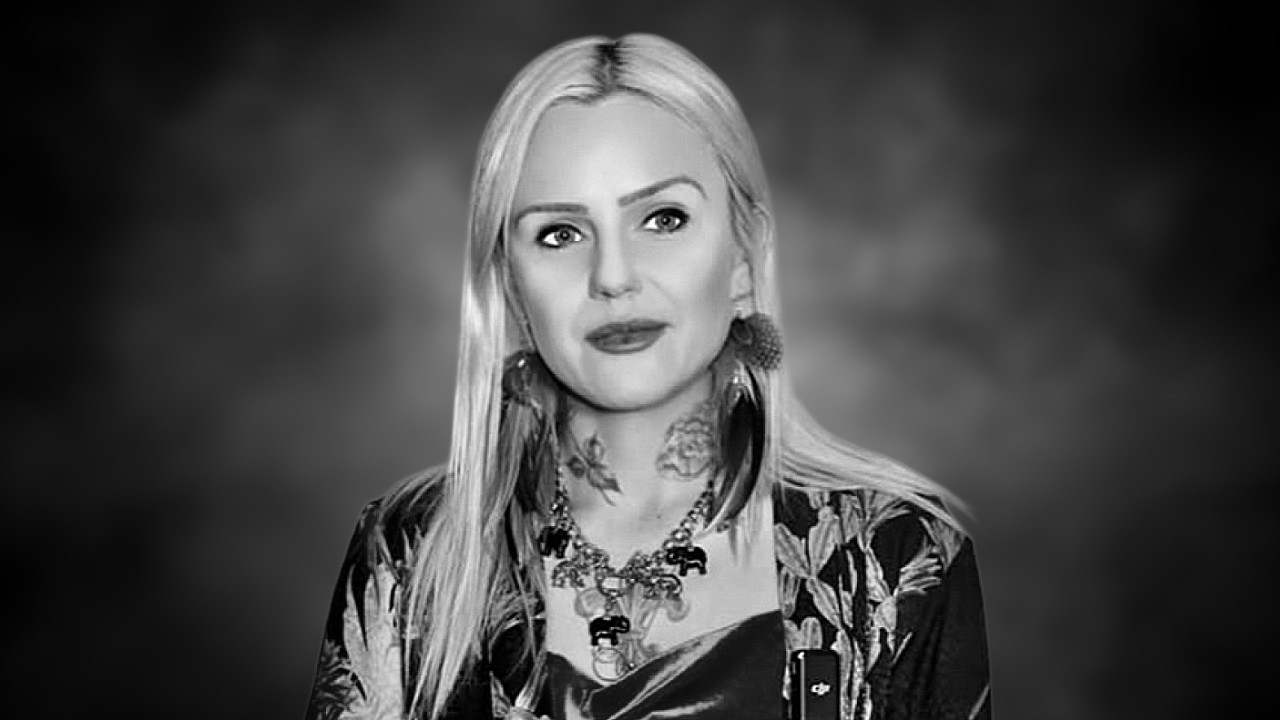
There are moments in life that divide everything into before and after. For Danijela (Dani) Čolić, that moment arrived before she was old enough to understand what war really meant. One morning she woke in a beautiful family home in Bosnia. By nightfall, tanks had rolled into her village, neighbours had turned on neighbours, and the life her parents had built had disappeared forever. Childhood ended before she had even started school.
Stories like hers are often told through statistics, politics or history books. They measure conflict in borders, casualties and treaties. They rarely pause long enough to consider what it feels like to be a four-year-old trying to make sense of adults who have suddenly become frightened, silent and desperate. Dani's story isn't simply about surviving a war. It's about what happens afterwards, when survival becomes part of your personality.
Looking for light in impossible places
When Dani talks about her childhood, she doesn't begin with hatred. She begins with memory. There was a father who built a beautiful home, gardens filled with flowers, and a family whose future seemed certain. That normality makes everything that follows feel even more difficult to comprehend. The contrast between privilege and devastation is almost impossible to imagine until you hear her describe it in the same matter-of-fact voice.
The violence arrived without warning. Families were dragged from their homes. Men were separated from women and children. Her father and grandfather were taken away while neighbours watched helplessly. Her mother endured unimaginable abuse rather than reveal where her husband had hidden money and gold. With only minutes to escape, three generations of women gathered what little they could carry and ran through cornfields as snipers fired across the landscape behind them.
The family found temporary shelter, but safety proved to be an illusion. That same night they were captured and taken to a concentration camp. Dani remembers stone floors, hunger, darkness and the cries of children echoing through the building. Women disappeared at night and not all of them returned. Grass became food. Water was a luxury. Survival depended on enduring another day without knowing what tomorrow might bring.
"People say miracles don't exist. They do exist."
It would be easy to assume that such memories leave nothing behind except trauma. Yet one of the most striking parts of Dani's story is the way she describes adapting rather than simply enduring. She believes those months sharpened her senses. Sounds became clearer. Smells became unforgettable. Even in darkness she learned to notice movement before she could see it. Looking back now, she sees those heightened instincts not as something broken, but as something her body developed to keep her alive.
The weight of survival
When the gates of the concentration camp finally opened, nobody celebrated. Nobody knew whether the buses waiting outside were carrying people towards freedom or execution. Mothers whispered the question every child could hear.
"Are we going to get killed?"
The uncertainty continued long after they escaped. Croatia brought refuge but not peace. Dani and her brother developed tuberculosis. She spent months in hospital separated from her mother, subjected to painful medical procedures she now believes were experimental. At one point she almost died. It was during that period that a forgotten memory returned. Her father had found them one final time before dying from his own injuries. Years later, only his remains would be identified in a mass grave.
Her mother's determination never faded. Refusing to accept another institution deciding her daughter's fate, she secretly removed Dani from hospital despite being warned that she wouldn't survive. Instead, it was the women around the family who stepped in. Herbs, plants and traditional remedies replaced clinical routines. Whether through medicine, belief or relentless care, she recovered. The experience planted a lifelong fascination with healing that still shapes her work today.
"I don't need to pass my trauma or my generational trauma onto my daughter."
Starting again without starting over
Britain offered something the family hadn't experienced for years. Predictability. They arrived as recognised refugees with almost nothing except each other. Refugee centres provided meals, donated clothes and English lessons. Volunteers quietly made life easier. An English chef slipped biscuits to the children. Someone donated cassette tapes. One of the first Dani picked was Bonnie Tyler's Holding Out for a Hero. Music became another reminder that identity could survive displacement.
Refugee life wasn't easy. By the age of seven she was helping raise her younger brother while her mother worked. By eleven she had her own job. Work became familiar, not because of ambition but because contributing to the family felt natural. Responsibility arrived so early that adulthood seemed less like a milestone than a continuation of childhood.
Yet something else emerged alongside that resilience. Curiosity. Rather than fearing the wider world, she became determined to explore it. Travel turned into education. Languages became a passion. Eventually she built businesses that took her across Europe, Asia and the Middle East. The child who once crossed borders in fear grew into an entrepreneur crossing them by choice.
Choosing what comes next
Many people who experience profound trauma spend years trying to reclaim the life they lost. Dani seems to have chosen something different. She isn't trying to recreate the past. She's building a future that reflects what surviving taught her.
That philosophy runs through almost everything she does. Whether creating businesses, designing welcoming spaces, studying herbal medicine or writing children's books about displacement, she keeps returning to the same idea. Pain doesn't disappear, but neither does possibility. She believes healing isn't forgetting. It's refusing to let yesterday dictate tomorrow.
"Being a refugee kid taught me resilience. It taught me to move on. It taught me to adventure."
Perhaps that's why her story stays with you long after the conversation ends. The extraordinary moments are impossible to ignore, but they aren't what define her. Instead, it's the quieter decisions that carry the greatest weight. Choosing to trust again. Choosing to travel. Choosing to build. Choosing not to hand her fears to the next generation.
War took almost everything from Dani, but it couldn't take her curiosity; it couldn't take her generosity; and, despite every reason it might have done, it couldn't take her belief that life is still something worth exploring. That's what makes her story memorable. Not that she survived, but that she decided survival would never be the final chapter.
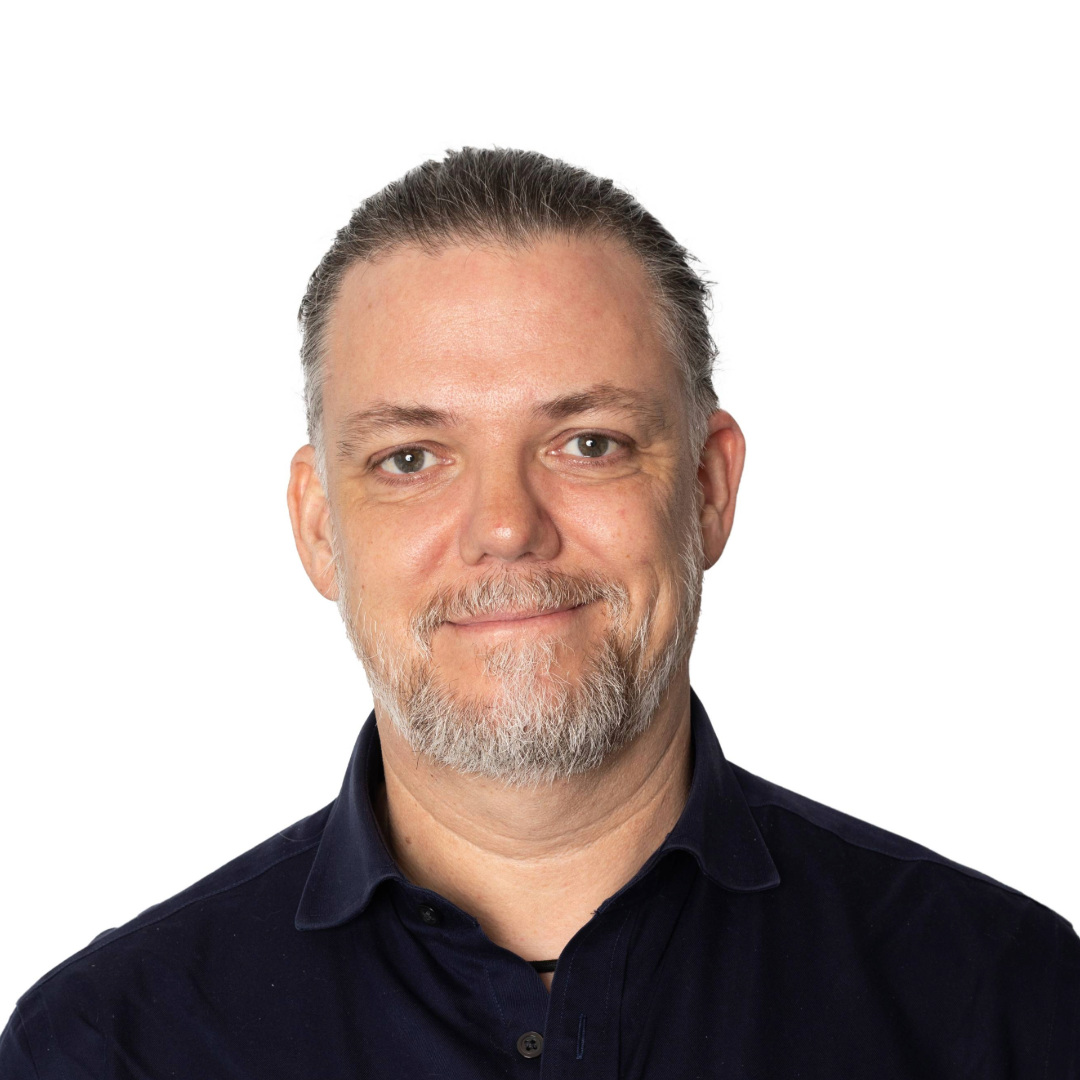
Founding Partner | Orion Studios
I’m a podcast host, producer and digital media strategist based in the UK. I’m the founder of Futurehand Media, a consultancy I started in 2005, and the founder of Orion Studios, a digital media and production studio in Tunbridge Wells.
Most of my work is built around real conversations delivered through podcasts, interviews, films, client stories (testimonials) and/or brand content. The format changes, but the aim is usually the same: help people and organisations turn ideas, experience and expertise into content that feels useful and human.
Before moving deeper into audio and video, I spent years working for startups focusing on digital marketing and analytics, including leading teams of digital marketing data analysts, which gave me a practical view of what works, what doesn’t, and why so much content fails to connect. I’m interested in simple systems, strong ideas and making things that serve a real audience.
I’ve also worked as a semi-professional photographer, which still shapes how I think about visual storytelling. There’s a big difference between something that simply looks “fine” and something that feels intentional and I try to incorporate that into all my work.
I’m originally from Memphis, Tennessee, and I’ve lived in the UK since 1999, so I tend to bring a mix of Southern storytelling and British pragmatism to the work. I like honest conversations, useful media, and helping people communicate something that actually matters.
I believe the best way to become successful is to help other people succeed. Success isn’t a z… Read More
A Dead Man in the Driveway: How Jody McHugh Found the Light in a Dark Childhood